Camping in Wisconsin: Best Lakeside and Forest Spots
Camping in Wisconsin offers something that many outdoor destinations slowly lose as they become more popular: the feeling that you can still find real space, real quiet, and a trip that does not need to be overcomplicated to be memorable. This is a state where camping can feel accessible without feeling dull. You can set up near a calm lake, spend the afternoon paddling or fishing, and end the day with a quiet sunset over the water. Or you can head into the forest, trade open views for tall trees and deeper shade, and build a trip around hiking, stillness, and the simple rhythm of being outside for a few days.
What makes Wisconsin especially appealing is the variety packed into a state that still feels manageable. You are not choosing between one famous park and a handful of distant alternatives. You are choosing between shoreline camping, northern forest campgrounds, state parks with strong facilities, and quieter areas that feel more removed from the busier outdoor circuit. That range makes Wisconsin one of the best camping states for travelers who want options but do not want the planning process to become exhausting.
This guide is built to help you choose the right kind of camping trip instead of just throwing campsite names at you. It covers the best lakeside and forest spots in Wisconsin, how to decide which region fits your travel style, when to go, what to expect from different areas, and how to plan a camping trip that feels calm, practical, and genuinely worth the effort.
How to Choose the Best Camping Spot in Wisconsin
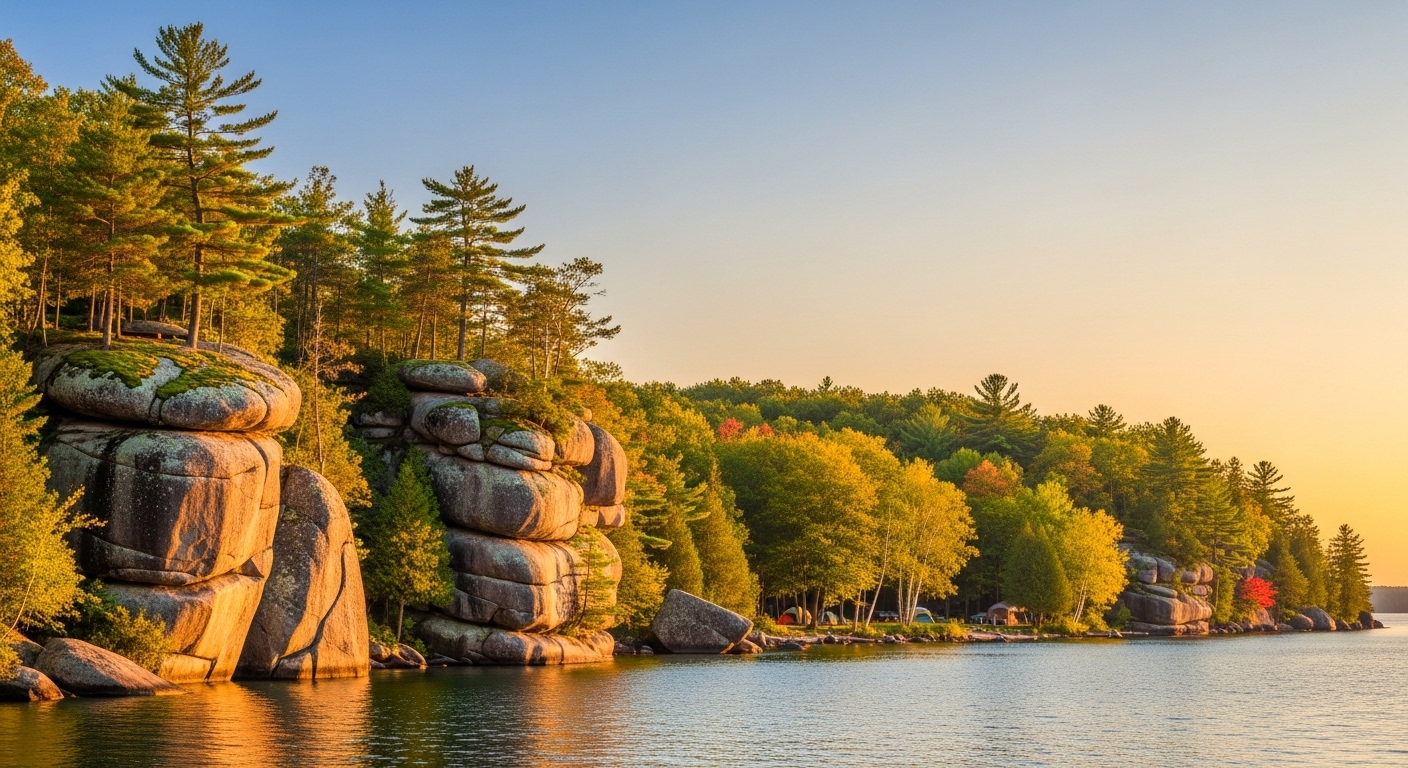
The easiest way to choose where to camp in Wisconsin is to start with the kind of trip you actually want, not just the most famous campground name. If your ideal trip includes water views, easy mornings, kayaking, swimming, or simply sitting near the shore with less effort and more calm, then lakeside camping is usually the better choice. Areas such as Door County, the Apostle Islands region, and parts of the Lake Winnebago area work especially well for this kind of trip because they combine scenery with a relatively easy setup and a more open, relaxed atmosphere.
If you want a deeper outdoor feel, with more tree cover, more privacy, and a stronger sense of being away from everything, then forest camping is usually the better fit. Places like Chequamegon Nicolet National Forest, Northern Highland American Legion State Forest, and parts of Kettle Moraine give you that wooded setting and a more immersive natural experience. The pace feels different there. You are not just camping near nature. You feel surrounded by it.
For many travelers, the smartest choice is not the most remote place or the most famous one. It is the region that best matches how you want the days to feel. If you want convenience, stay closer to developed parks and easier access roads. If you want quiet, go north or choose a less busy state forest area. And most importantly, choose one region and explore it properly instead of trying to move around the state too much in one short trip.
Camping in Wisconsin: Best Lakeside and Forest Spots
Why Camping in Wisconsin Is Worth It
Wisconsin is worth camping in because it gives you a rare balance between variety and practicality. Some states are beautiful but require long drives, difficult logistics, or a level of preparation that makes a simple weekend trip feel like a major operation. Wisconsin is different. It offers lakes, forests, bluffs, waterfalls, and scenic shorelines in a way that still feels reachable and flexible. That matters, especially if what you want is an outdoor trip that feels restorative instead of stressful.
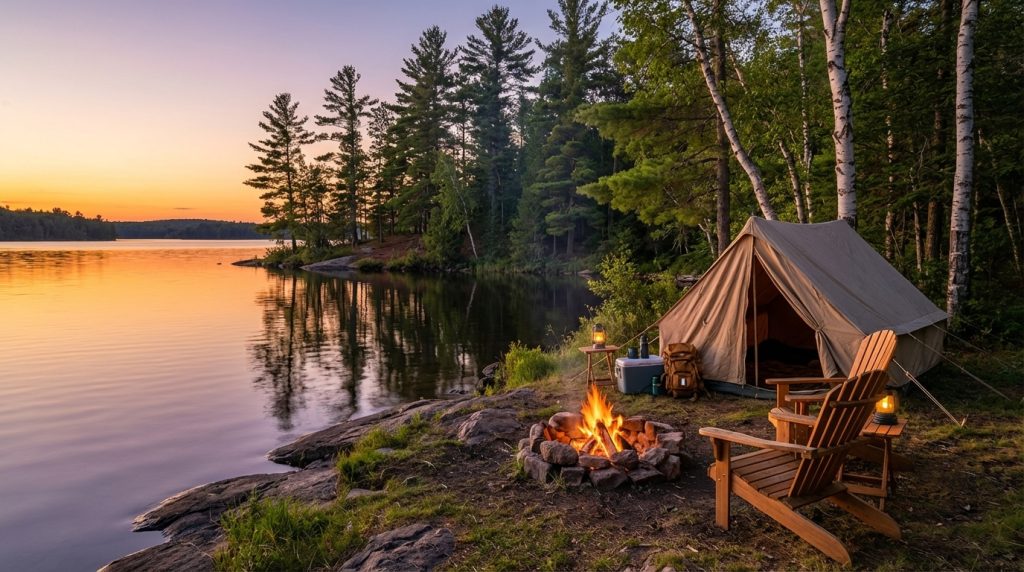
The lakes are a major part of what makes the state special. Camping near water changes the whole shape of a trip. Mornings feel slower. Evenings feel fuller. You have more to do without forcing the day, whether that means fishing, paddling, swimming, or simply sitting near the shore while the light changes. Wisconsin has enough water based camping options that you can choose between busier, family friendly places and quieter campsites that feel more tucked away.
At the same time, the forest regions give the state a completely different kind of appeal. Northern Wisconsin in particular has that deeper, quieter outdoor atmosphere many campers are looking for. It feels more secluded, more textured, and more grounded in the experience of being outside for long stretches of time. That contrast between open lakeside camping and more enclosed forest camping is one of the biggest reasons Wisconsin works so well for so many different kinds of travelers.
Best Time to Go Camping in Wisconsin
The best time to go camping in Wisconsin depends on what kind of experience you want, because the season changes not just the weather but the entire feel of the trip. Late spring through early fall is the main camping window, and each part of that season brings its own advantages. Late May and June are often excellent if you want comfortable temperatures, greener landscapes, and fewer crowds than the height of summer. This is a strong time for campers who want a balanced trip that feels active but not overcrowded.
July and August are the easiest months if your trip revolves around swimming, boating, family travel, and long daylight hours. Lakeside destinations feel especially lively during this period, and the weather is generally warm enough for a full day outdoors. The trade off is that these months are also busier, especially in the most popular state parks and shoreline areas. If you want a prime campsite in summer, planning ahead matters much more.
September is one of the best months for camping in Wisconsin if your priority is atmosphere. The air starts to feel cooler and cleaner, crowds begin to thin out, and northern areas often start showing early fall color. It is one of the easiest times to enjoy both lake and forest camping without the intensity of peak season. Even then, it is important to remember that Wisconsin weather can shift quickly. Warm days can turn into cool evenings, and lakeside or forested areas often feel colder at night than people expect.
What to Know Before Choosing a Campsite
A good camping trip usually starts with a realistic understanding of what you want from the site itself. Many people focus on the destination name and ignore the actual experience of the campsite, which is often where the real difference is felt. A beautiful campground can still be the wrong fit if it is too crowded for your taste, too exposed, too developed, or too far from the kind of activities you care about.
If relaxation is your goal, lakeside sites with easy access to the water and a simple layout are often the best option. If hiking or day exploration matters more, then you should prioritize campgrounds near trail systems, scenic overlooks, or nearby natural features. If privacy is the biggest factor, state forest sites and quieter northern campgrounds often feel more rewarding than the busiest headline parks. This is where being honest about your real camping style helps. Some people want convenience and facilities. Others want more distance from other campers and a stronger sense of seclusion.
It also helps to think carefully about your setup before booking. Some sites are better for tents. Others are designed with RV access or more developed amenities in mind. Some campgrounds make quick weekend trips very easy, while others feel better suited to a slower, more immersive stay. When you match your expectations to the actual style of campsite, the entire trip tends to go more smoothly.
Camping in Wisconsin: Best Lakeside and Forest Spots
Best Lakeside Camping Spots in Wisconsin
Door County
Door County is one of the most popular camping regions in Wisconsin because it offers a version of outdoor travel that feels scenic, calm, and easy to enjoy even if you are not trying to rough it. The area combines shoreline views, small town charm, and a more polished travel atmosphere than many camping destinations. That makes it especially good for travelers who want to camp but still like having nearby places to eat, explore, or spend part of the afternoon when they are not sitting by the water.
The camping experience here tends to feel approachable. Many sites are easier to access, the scenery is immediately rewarding, and you can pair your campground stay with short drives, parks, waterfront walks, and quiet evenings back at camp. It works especially well for couples, weekend campers, and first time campers who want the reward of being outdoors without committing to a highly remote setup.
Apostle Islands Area
The Apostle Islands region offers a more dramatic and rugged lakeside experience, especially for travelers who want Wisconsin camping to feel bigger, quieter, and more tied to the landscape itself. Near Lake Superior, the water feels broader and more powerful than in inland lake regions, and the shoreline scenery has a more striking, windswept quality. This changes the mood of the trip immediately. It feels less casual and more atmospheric.
Camping here works especially well if you want to combine your stay with exploration. Kayaking, shoreline walks, island visits, and general time around Lake Superior all add depth to the experience. This is a strong choice for travelers who want scenic impact and a quieter setting, though it usually feels best when you go in with a little more intention and flexibility than you might need for a simpler weekend campground closer to home.
Lake Winnebago Region
The Lake Winnebago area is one of the more practical lakeside camping choices in Wisconsin, and that practicality is exactly what makes it useful. Not every camping trip needs to feel remote or dramatic. Sometimes what matters most is ease of access, straightforward planning, family friendly options, and enough water nearby to make the trip feel relaxing. Lake Winnebago fits that role well.
This region is especially good for shorter trips, mixed experience groups, and campers who want to keep logistics simple. You can still enjoy the atmosphere of being near the water, but without the same level of remoteness or travel commitment required by some of the farther north destinations. It is a strong option for people who want a clean, easy, low friction camping trip.
Hidden Gem Lakeside Spots Worth Considering
If you want something a little less obvious, Wisconsin has a number of smaller lakeside camping areas that can be just as rewarding as the big names, especially if your goal is quiet rather than recognition. Smaller county parks, lesser known campgrounds in the Northwoods, and inland lake areas outside the busiest travel corridors often deliver the kind of stillness people say they want when they talk about getting away. These places may not always have the strongest name recognition, but they can offer better site privacy, easier reservations, and a more peaceful overall atmosphere.
That is often the hidden advantage of Wisconsin camping. The best trip is not always at the most famous place. Sometimes it is at the quieter lake where the mornings are still, the shoreline is uncrowded, and the trip feels like your own instead of part of a busy outdoor circuit.
Best Forest Camping Spots in Wisconsin
Chequamegon Nicolet National Forest
Chequamegon Nicolet National Forest is one of the strongest choices in the state for campers who want a real forest atmosphere and enough space to feel like they have properly left everyday life behind. The scale of the area is one of its biggest strengths. You are not limited to one single campground experience. Instead, you have a broader forest region with multiple camping options, hiking trails, fishing areas, and a general sense of quiet that is harder to find in more crowded state parks.
This is the kind of place that works well for campers who value space, shade, and the feeling of being surrounded by trees rather than simply camping near them. It is especially appealing if you want your days to feel slower and more grounded. The trip becomes less about checking off attractions and more about being in the environment itself.
Northern Highland American Legion State Forest
Northern Highland American Legion State Forest is one of the most versatile camping areas in Wisconsin because it gives you both forest atmosphere and water access in a way that feels balanced rather than forced. This is a particularly good choice if you are torn between wanting lakeside calm and forest seclusion, because the area allows for both. You can spend the day around the water and still return to a campsite that feels properly wooded and sheltered.
That flexibility makes it a strong option for mixed groups or travelers who want different things from the trip. Some people may want paddling or fishing. Others may want quiet walks, wooded views, and a simpler campsite rhythm. This area handles that combination well.
Kettle Moraine State Forest
Kettle Moraine is one of the best forest camping options in southern Wisconsin, especially for travelers who want a more natural setting without driving all the way into the far north. The landscape here feels different from the denser northern forest regions. It has rolling terrain, good hiking opportunities, and an outdoor atmosphere that feels active without being overly remote.
That makes it especially useful for weekend trips, first time campers, and travelers coming from southern Wisconsin or nearby cities who want a forest based trip that is easy to reach. It may not feel as secluded as parts of the Northwoods, but it often delivers a very satisfying balance between access and scenery.
Copper Falls Area and Other Quiet Forest Options
If you want a forest camping trip that also feels scenic and a little less busy than the biggest names, areas near Copper Falls and other quieter northern parks can be an excellent fit. These spots often appeal to campers who care as much about atmosphere as they do about activity. Waterfalls, wooded trails, and a less crowded feeling can give the trip more texture, especially if your goal is to unplug rather than chase a packed schedule.
Best Wisconsin State Parks for Camping
Devil’s Lake State Park
Devil’s Lake is one of the most well known camping destinations in Wisconsin, and it earns that reputation because it combines dramatic scenery with relatively easy access. The cliffs, lake views, hiking trails, and general energy of the park make it one of the strongest choices for campers who want scenery and activity in the same trip. If you want a place that feels visually striking from the start, Devil’s Lake delivers that quickly.
The trade off is popularity. This is not usually the place to go if your main goal is solitude, especially during peak season. But if you go in understanding that, it can still be an excellent choice. It works especially well for active travelers, first time visitors to Wisconsin, and anyone who wants a classic state park experience with plenty to do beyond sitting at camp.
Peninsula State Park
Peninsula State Park is one of the best options in Wisconsin if you want the benefits of both forest and shoreline camping without having to choose completely between the two. Located in Door County, it offers a very balanced experience. You get scenic views, strong facilities, easy access to the surrounding region, and enough natural beauty to make the trip feel worthwhile even if you are keeping the itinerary simple.
This park is especially good for travelers who want camping with structure. The environment still feels scenic, but it is not overly difficult or remote. That makes it a strong pick for families, couples, and campers who like having a dependable base for both outdoor time and light regional exploration.
Copper Falls State Park
Copper Falls State Park is often appealing because it feels quieter and a little more understated than the most famous parks, while still offering strong scenery and rewarding hiking. The waterfalls and wooded setting give the park a more enclosed, grounded feel, and the overall atmosphere tends to suit travelers who want beauty without as much noise and movement around them.
For many campers, this kind of place becomes the trip they remember most, precisely because it feels calmer. It may not have the same instant recognition as Devil’s Lake, but it often offers the kind of slower, more immersive experience that many people are actually hoping to find.
Best Wisconsin Camping Areas by Travel Style
If you are camping with family, developed state parks and accessible lakeside areas usually work best because they combine facilities, easier logistics, and enough activity to keep the trip comfortable for everyone. Places like Devil’s Lake, Peninsula State Park, and easier lakeside campground regions tend to make family camping feel manageable.
If you are planning a couples trip or a quieter weekend away, Door County, the Apostle Islands region, and calmer forest campgrounds often work better because the pace is slower and the atmosphere feels more scenic and intimate. If your goal is solitude, head north and prioritize forest regions or less busy lake areas over the highest profile parks. And if you are a first time camper, it is usually better to choose convenience over ambition. A well maintained campground with easy access and dependable facilities almost always leads to a better first experience than an unnecessarily difficult site.
Where to Stay and How to Choose a Campsite
Choosing the right campsite affects the quality of the trip far more than many people expect. A strong campsite does not just give you a place to sleep. It sets the rhythm for the entire trip. If your site is too exposed, too crowded, too far from the water or trails you care about, or simply not suited to your equipment, the whole experience starts to feel harder than it should.
If convenience matters most, look for developed campgrounds with reliable restrooms, easy access roads, and a good site layout. If privacy matters more, focus on quieter campgrounds in forest regions or sites that are spaced farther apart. If the trip is activity focused, then proximity to hiking trails, water access, or scenic viewpoints becomes especially important. It is often worth paying close attention to the site style itself rather than only the name of the park.
The best approach is to choose the campsite based on how you plan to spend the day. That keeps the whole trip aligned. You are not just booking a location. You are choosing the feel of the trip from the moment you wake up until the moment you turn in for the night.
Budgeting and Costs for Camping in Wisconsin
One of the most appealing parts of camping in Wisconsin is that it can still be a relatively affordable kind of trip, especially when compared with flights, resort stays, or more complicated vacation plans. State parks and public campgrounds often provide very good value, particularly if your goal is simply to spend time outdoors without paying for extras you do not really need.
That said, costs can still add up depending on where you go and how you camp. Private campgrounds may charge more in exchange for added amenities. Popular destinations can fill quickly, which sometimes pushes travelers toward more expensive alternatives if they wait too long. And even a low cost camping trip can become more expensive if you overbuy gear, book the wrong type of site, or drive more than necessary moving from one area to another.
The best way to keep value high is to choose a campsite that genuinely matches your needs. Do not pay extra for features you will not use. Book early for peak season. And if possible, build the trip around one strong location instead of spreading your time and gas budget across too many stops.
How to Plan a Camping Trip in Wisconsin
A good Wisconsin camping trip usually feels simple on the surface, but that simplicity comes from planning the right things in advance. Start by choosing your region first. Once you know whether you want Door County, the Northwoods, a southern forest area, or a Lake Superior style trip, the rest of the decisions become easier. You can narrow down campgrounds, estimate driving time, and think more clearly about what to pack and what kind of activities make sense.
It also helps to define the pace of the trip early. Is this meant to be a quiet weekend built around reading by the water, short walks, and camp meals. Is it a more active trip with hiking, paddling, fishing, and early starts. Is it a family trip where convenience matters more than seclusion. The more clearly you answer those questions, the easier it becomes to choose the right campground instead of a merely popular one.
Arriving early is another small decision that improves the whole experience. It gives you time to set up calmly, adjust to the site, and enjoy the first evening instead of rushing through it. That first hour at camp often shapes how the rest of the trip feels.
Sample 2 Day Camping Trip Plan in Wisconsin
A short Wisconsin camping trip works best when the schedule feels calm and realistic rather than overfilled. On the first day, arrive with enough time to set up without pressure. Once camp is ready, keep the afternoon simple. Take a walk, spend time by the water, or explore one nearby trail instead of trying to do everything immediately. A strong first day is less about activity volume and more about settling into the place properly. The evening can then unfold naturally with dinner at camp, time outdoors, and a quieter finish to the day.
On the second day, start early if the setting rewards it. Mornings are often the best part of a camping trip in Wisconsin, especially near lakes or in the forest before the day gets busy. This is a good time for a paddle, a short hike, or simply breakfast outside while the area is still quiet. From there, keep the rest of the day focused and manageable. Explore a little more, break camp without rushing, and leave while the trip still feels restful rather than stretched too long. For many people, that is the sweet spot of a short camping trip.
Practical Camping Tips for Wisconsin
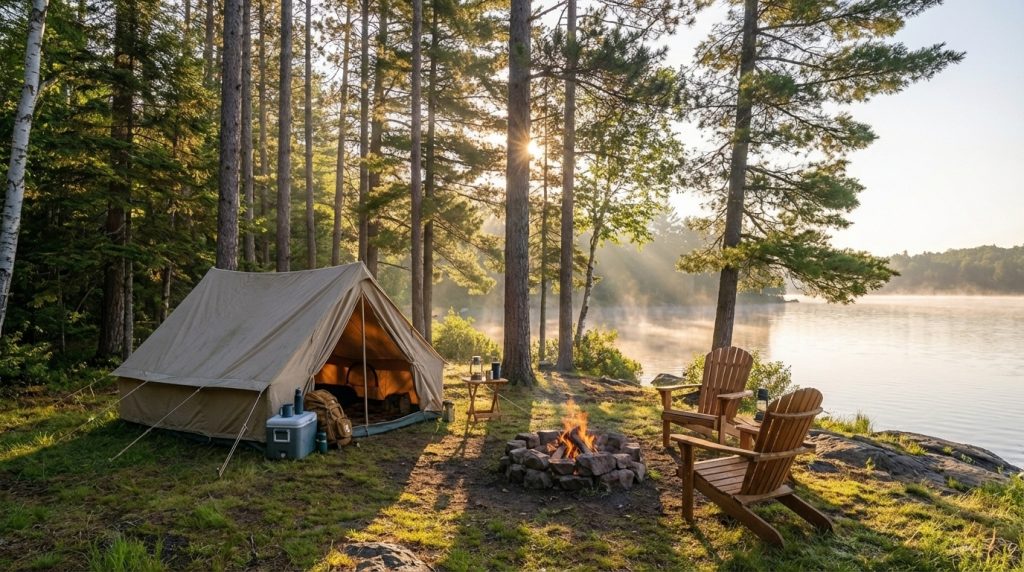
Packing for Wisconsin camping becomes easier when you think in terms of environment instead of just a generic camping list. Lakeside sites may call for more emphasis on water activities, extra layers for cooler breezes, and gear that handles damp mornings well. Forest sites often reward practical footwear, a better lighting setup, and an approach that keeps gear organized and protected from shifting weather. In both cases, a simple setup usually works better than an overloaded one.
It is also worth preparing for temperature changes, especially at night. Even in warmer months, evenings can cool off quickly near the water or under tree cover. A trip feels much better when you are slightly overprepared for changing conditions than when you are trying to make a summer setup work in an unexpectedly cold evening.
Above all, keep the campsite organized. That one habit improves comfort, reduces stress, and makes the trip feel smoother from start to finish. Camping is often most enjoyable when the setup feels manageable and the days have enough structure to be easy without becoming rigid.
Common Mistakes to Avoid When Camping in Wisconsin
One of the most common mistakes is choosing a campground based only on popularity. A famous park is not automatically the best fit for every camper. If you want quiet, a busy flagship state park in peak summer may leave you disappointed even if the scenery is excellent. Another mistake is overpacking. Too much gear can make setup harder, the campsite messier, and the trip more tiring than necessary.
People also often underestimate how much weather and location change the feel of the trip. A site near open water can feel colder and windier than expected. A forest site can feel darker, cooler, and more enclosed. Neither is bad, but each calls for slightly different preparation. The more honestly you plan around the actual setting, the better the trip usually goes.
The final mistake is trying to do too much in too little time. Wisconsin camping works best when the trip has room to breathe. One good campground, one region, and a realistic pace usually creates a better experience than trying to rush between multiple places.
FAQ
What is the best place to camp in Wisconsin?
There is no single best place for every camper, which is why Wisconsin works so well. Door County is excellent for scenic lakeside camping with easier access and nearby towns. Devil’s Lake is one of the strongest choices if you want dramatic scenery and hiking. Chequamegon Nicolet National Forest is often a better fit if you want a more immersive forest experience with more space and quiet.
When is the best time to camp in Wisconsin?
Late spring through early fall is the main camping season, but September is often one of the best times because the weather is cooler, crowds are lighter, and the overall atmosphere feels calmer. Summer is still a great choice if swimming, long days, and family travel are your main priorities.
Are Wisconsin campsites good for first time campers?
Yes. Wisconsin is one of the easier states for first time campers because it offers many developed campgrounds, accessible state parks, and camping areas that feel scenic without being difficult to manage. Choosing a well maintained campground with good facilities is usually the best way to start.
Do you need reservations for camping in Wisconsin?
For popular parks and peak summer weekends, reservations are strongly recommended. This is especially true for places like Devil’s Lake, Peninsula State Park, and other high demand lakeside destinations. Quieter forest areas may give you more flexibility, but planning ahead is still the safer approach.
Is lakeside or forest camping better in Wisconsin?
That depends on the kind of trip you want. Lakeside camping is better for water access, open views, and a slower shoreline atmosphere. Forest camping is better for privacy, tree cover, hiking, and a stronger feeling of being tucked into nature. Wisconsin is one of the best states for choosing between the two because both options are strong.
Conclusion
Camping in Wisconsin works so well because it gives you more than one kind of outdoor experience without making the trip feel difficult to plan. You can choose water, forest, or a balance of both. You can build a quiet weekend around one good campsite or a more active trip around hiking, paddling, and regional exploring. That flexibility is part of what makes the state such a reliable choice for campers at different experience levels.
The key is not to find the most famous campground and assume that is the answer. It is to choose the region, campsite style, and pace that fit the trip you actually want. When you do that, Wisconsin camping becomes exactly what many people are hoping for in the first place: scenic, practical, calming, and easy to remember for the right reasons.