
Choosing the right tent size sounds simple until you actually start shopping. A label says two person, four person, or six person, and it seems like the decision should end there. Then you start imagining the real trip. Will two adults actually fit comfortably in a two person tent with sleeping pads, duffel bags, and enough elbow room to avoid waking up annoyed with each other. Will a family of four enjoy a four person tent after adding children, gear, wet shoes, and the general disorder that appears five minutes after camp is set up. Will a solo traveler really want a one person tent if the trip lasts several nights and weather forces more time inside. This is where tent sizing stops being a number on a box and starts becoming a quality of life decision.
Tent capacity ratings are useful, but they are usually based on the maximum number of sleeping bodies that can fit side by side, not the number of people who will feel genuinely comfortable living in that space. That is why so many campers, from beginners to experienced weekend travelers, eventually learn the same lesson: the best camping tent size is rarely the bare minimum. The right tent is the one that matches not only the number of people in your group, but also your sleeping style, your gear load, the season, the weather, and how much time you realistically expect to spend inside the tent.
This guide breaks down the best camping tent sizes for solo travelers, couples, families, and small groups, while also explaining how tent capacity ratings really work, when it makes sense to size up, what features affect comfort, and what common buying mistakes to avoid. If you want a tent that feels practical on the trail, manageable at the campsite, and much less claustrophobic at 2 a.m. when everyone is tired and one person cannot find the flashlight, this is the planning guide to read before you buy.
Why Tent Size Matters More Than Most Beginners Expect
A tent is not just where you sleep. It is also where you change clothes, store part of your gear, wait out weather, manage children, hide from mosquitoes, organize the end of the day, and attempt to create some version of comfort in a temporary outdoor space. When the tent is too small, every one of those simple tasks becomes more frustrating. Movement feels cramped, gear spills everywhere, condensation becomes more noticeable, and even a short trip can start to feel less restful than it should.
The biggest mistake many first time campers make is assuming the tent size label reflects comfort rather than absolute capacity. A four person tent may technically fit four sleepers in sleeping bags laid side by side, but that does not mean it will feel pleasant for four actual people with bags, clothing, shoes, and different sleep habits. The same logic applies to couples. A two person tent may work for minimalist backpackers, but many casual campers will enjoy the trip far more in a three person tent, especially if weather keeps them inside longer than expected.
Tent size also influences ventilation, setup layout, and the general livability of the campsite. A better sized tent gives you more flexibility in how you arrange sleep pads, bags, and access points. It can make mornings smoother, nights quieter, and the whole trip feel more organized. In camping terms, extra space is not always a luxury. Often it is the difference between a pleasant stay and a lesson in why everyone suddenly wants coffee very badly.
How Tent Capacity Ratings Actually Work
Tent capacity ratings are usually based on how many standard sleeping pads can fit shoulder to shoulder on the floor. In other words, the rating tells you how many people can physically lie down inside the tent, not how many people will have a comfortable camping experience in every scenario. This is an important distinction because manufacturers are not necessarily lying when they say a tent sleeps four. They are just using a very literal definition of sleep.
For backpacking tents, those ratings can be even more stripped down because weight savings matter. A two person backpacking tent is often designed for two campers who prioritize low pack weight over spacious comfort. Car camping tents, family tents, and cabin style tents usually give you more livable space, but even there, the stated capacity still tends to describe maximum occupancy rather than ideal breathing room.
A useful rule is to treat tent ratings as a starting point, not a final answer. If you are ultralight backpacking and every ounce matters, you may stick closer to the stated rating. If you are car camping, traveling with children, bringing extra gear, or simply wanting a more comfortable experience, sizing up by one person is often a very smart move.
Best Tent Size for Solo Camping Trips
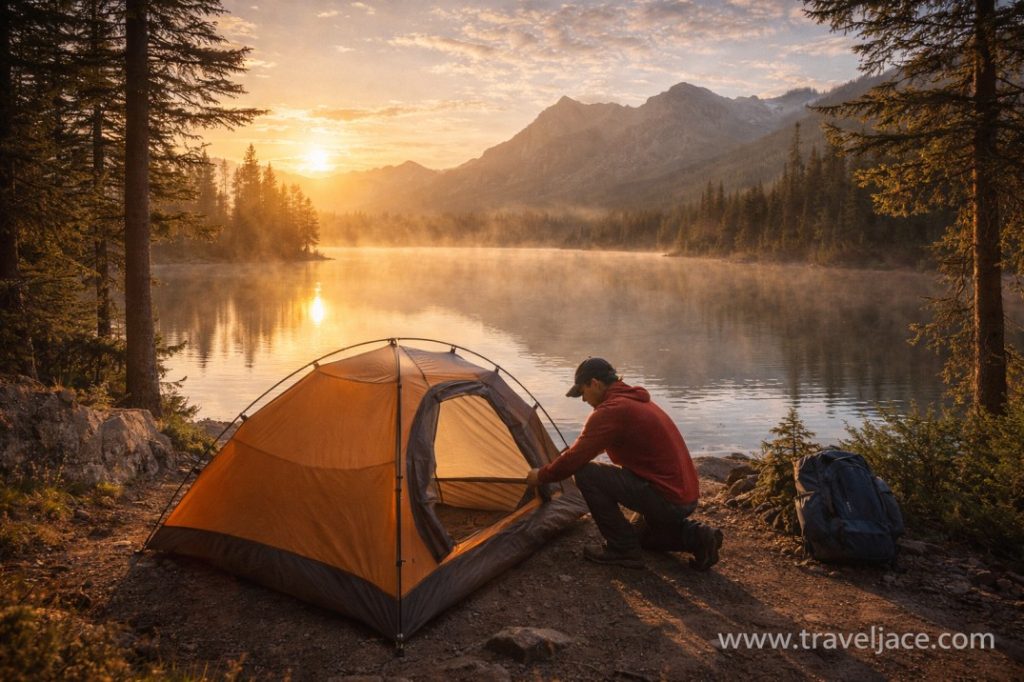
For solo trips, the most common question is whether a one person tent is actually worth it or whether a two person tent is the better choice. The answer depends heavily on how you camp. If you are backpacking and need to keep your load as light and compact as possible, a one person tent can make sense. It is usually lighter, smaller in your pack, and easier to carry over distance. For long hikes or minimalist trips, those benefits can matter a lot.
That said, many solo campers are happier in a two person tent, especially for car camping, weekend camping, or trips where comfort matters more than shaving every ounce. A two person tent gives one camper enough room for a wider sleeping pad, extra gear, easier movement, and a much more relaxed interior feel. It also helps if weather turns bad and you end up spending more time inside reading, resting, or simply waiting for rain to stop.
For most casual solo travelers, a two person tent is often the sweet spot. It provides enough room to stay comfortable without becoming oversized or cumbersome. A one person tent works best when low weight is the top priority. A two person tent works best when overall camping comfort is the goal.
Best Tent Size for Couples
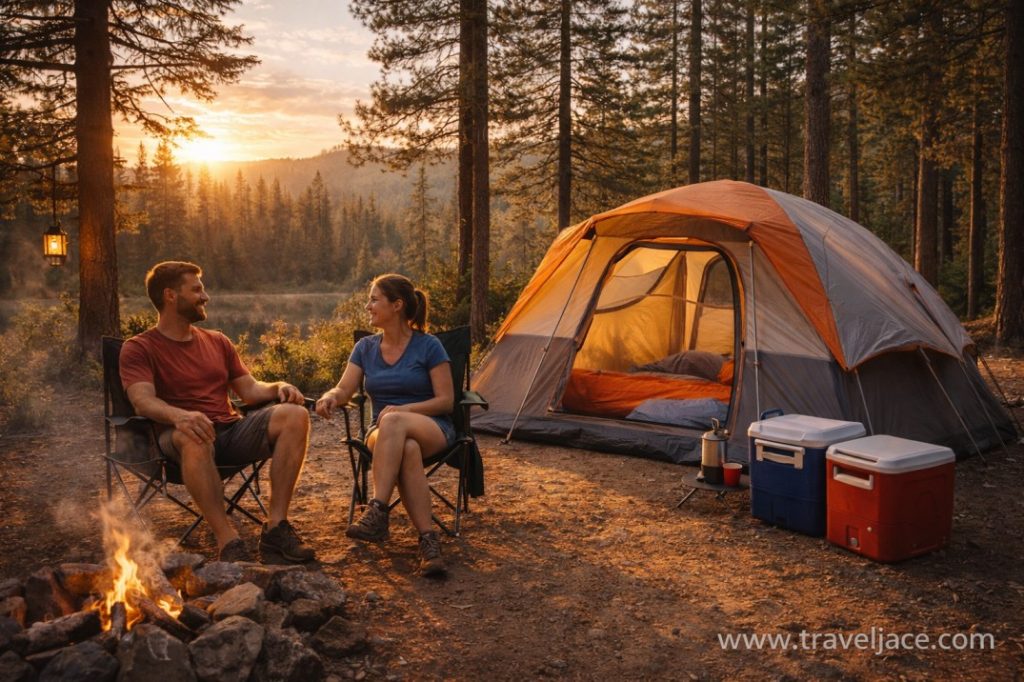
Couples are often the group most tempted to buy the smallest possible tent because the logic sounds efficient. Two people equals a two person tent. On paper, that seems perfectly reasonable. In real life, two adults in a two person tent often discover that the arrangement assumes a level of harmony and spatial discipline that camping does not always inspire. If both campers use standard pads, pack lightly, and only need a tight sleep setup for a short backpacking trip, it can work. But for many couples, especially in car camping situations, a two person tent feels more cramped than romantic.
A three person tent is often the best choice for couples who want comfort. It gives enough room for two sleeping pads with a little extra floor space, easier movement at night, and more flexibility for storing smaller items inside. That extra room matters more than many buyers expect, especially if one person sleeps restlessly, one person likes more personal space, or the trip lasts longer than a single night.
For couples who car camp regularly, camp in cooler weather, or simply want a more livable tent, even a four person tent can make sense. That does not mean everyone needs to size up dramatically. It means couples should think honestly about whether they are buying for bare minimum fit or actual comfort. On most trips, the latter is the better investment.
Best Tent Size for Families of Three or Four
Family camping changes the size conversation immediately because children do not reduce gear. If anything, they increase it. A family tent must handle bodies, bags, shoes, layers, flashlights, maybe stuffed animals, maybe wet clothes, maybe snacks somebody promised not to bring into the tent, and the general truth that children do not camp with the tidy efficiency of product diagrams. That is why families usually benefit from going larger than the posted capacity suggests.
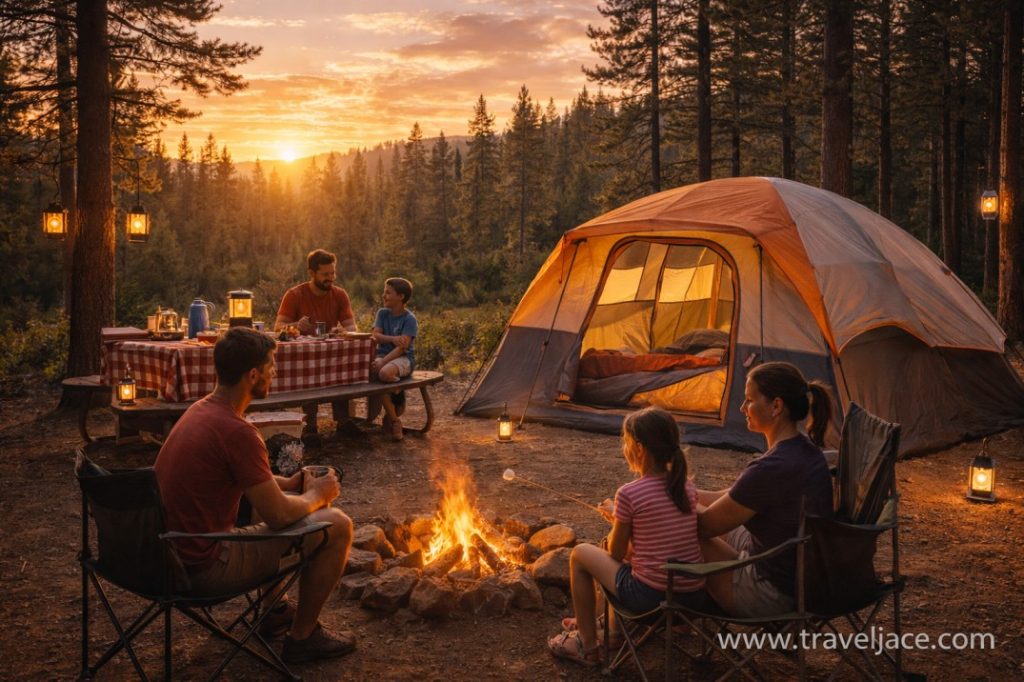
For a family of three, a four person tent is often the practical starting point. It gives enough room for sleep pads or air mattresses, basic gear organization, and less crowding when everyone piles inside at once. For a family of four, a six person tent is often much more comfortable than a four person tent, especially for car camping. That extra space helps with movement, dressing, gear, and weather backup when the family needs to be inside all at once.
The main goal for family tent sizing is not just sleeping space. It is livability. Cabin style tents and family focused dome tents often work especially well because they provide more vertical space and a less claustrophobic feel. Families usually remember the comfort of the trip far more clearly than the exact number printed on the tent bag.
Best Tent Size for Large Families and Group Camping
Once you move into large family or group camping, the question is not only how big the tent should be but whether one large tent is even the best answer. Large eight person or ten person tents can work very well for car camping, especially when the group wants shared space and the campsite setup supports a bigger footprint. They are often useful for families with several children or for group trips where having a central shelter matters.
At the same time, one oversized tent is not always the smartest choice. Two smaller tents can provide better privacy, easier setup, more flexibility on uneven campsites, and less disruption if one person wakes early or goes to bed late. This is especially true for families with older children or groups of adults who may appreciate a little separation at night.
The best answer depends on the group dynamic. If togetherness and centralized setup matter most, a larger cabin tent or multi room tent can work well. If comfort, privacy, and setup flexibility matter more, splitting into two tents often produces a better overall trip.
Tent Size by Camping Style
The best tent size also depends on the kind of camping you actually do. Backpacking, car camping, festival camping, beach camping, and campground family trips all place different demands on space. Backpackers often prioritize lower weight and smaller packed size, which means staying closer to the tent’s rated capacity. In that context, solo campers may choose a one person tent and couples may accept a compact two person shelter because comfort tradeoffs are part of the style of travel.
Car campers usually have more freedom to choose based on livability. Since the tent is not being carried on your back for miles, a little extra weight and bulk matter far less than interior space, standing height, easier setup, and weather comfort. This is where larger tents, cabin designs, and sizing up by one or two persons become much more appealing.
Festival campers may want a balance between compact setup and a little personal space, while beach or summer campers often care about ventilation and changing room more than insulation. Matching tent size to camping style helps prevent the classic buying mistake of choosing a tent for a version of camping you do not actually do.
When to Size Up Your Tent
Sizing up usually makes sense when comfort is the priority, when the trip involves more gear, or when the weather may keep you inside for longer periods. It also makes sense when you camp with children, use thicker sleeping pads or air mattresses, bring a dog, or expect cooler conditions that require extra clothing and layered sleep systems. A tent that feels just large enough in ideal summer conditions can feel very crowded once bulky gear and bad weather enter the picture.
Couples often benefit from sizing up one person. Families often benefit from sizing up two persons. Solo car campers often benefit from choosing a tent designed for one additional person. These are not rigid rules, but they are useful patterns because they reflect how people actually use tents, not just how tents are marketed.
Sizing up does not always mean buying the biggest tent available. Too much tent can create its own issues, especially in setup time, campsite fit, and interior warmth in cooler weather. The goal is not excess. It is enough room to make the trip easier.
Tent Features That Affect Comfort as Much as Size
Floor dimensions matter, but they are not the whole story. Peak height, wall shape, vestibule space, doors, and ventilation can all affect how roomy a tent feels in practice. A tent with steep walls and good headroom often feels far more comfortable than one with the same floor space but a lower, more tapered shape. That is why cabin tents feel so spacious for families and why some backpacking tents feel smaller than their sleeping capacity might suggest.
Vestibules are especially important because they give you a place to store muddy shoes, packs, and other gear outside the sleeping area while still keeping them protected. For couples and solo travelers, a good vestibule can reduce the need for extra interior space. For families, multiple doors and easier access points can make the tent feel much less chaotic at bedtime and early morning.
Ventilation matters too. A slightly larger tent with better airflow may feel dramatically more comfortable in warm weather than a tighter tent with weaker ventilation. This is one reason tent comfort is never just about how many people technically fit on the floor.
Common Tent Size Mistakes to Avoid
One of the most common mistakes is buying the smallest tent that technically matches your group size. This is especially common with couples and families who assume the number on the label reflects comfort rather than maximum capacity. The result is often a tent that works on paper and feels frustrating in reality.
Another mistake is ignoring gear. Campers often imagine tent capacity around sleeping only, then realize too late that shoes, duffels, backpacks, extra blankets, and day to day campsite clutter still need somewhere to go. This becomes even more obvious on trips with children or pets. A tent that looks adequate in a showroom can feel very different after one damp afternoon at a real campsite.
A third mistake is buying for a fantasy trip instead of your actual habits. If you mostly car camp at established campgrounds, buying an ultralight minimalist tent because it sounds technical and outdoorsy may not improve your camping life at all. Choose the tent size that matches how you camp, not how you imagine yourself talking about camping.
Best Tent Size Recommendations at a Glance
For most solo backpackers, a one person tent can work if low weight matters most, while a two person tent is often better for comfort. For solo car campers, a two person tent is usually a very strong choice. For couples, a three person tent is often the best balance of comfort and manageability, while a four person tent can be excellent for car camping and longer stays.
For a family of three, a four person tent is usually a practical minimum, though larger can still be more comfortable. For a family of four, a six person tent is often the better real world choice. For larger families or group trips, an eight person or larger tent may work well, but two smaller tents can sometimes be the smarter setup.
These recommendations are not about excess. They are about choosing a tent that reflects real camping life instead of idealized capacity charts.
FAQ
Is a two person tent big enough for two adults?
Sometimes, but it depends on the camping style. For minimalist backpacking it can work well. For most couples who want comfort, a three person tent is usually the better choice.
What size tent should a family of four get?
A six person tent is often a more comfortable option for a family of four, especially for car camping. A four person tent may technically fit the group, but it often feels tight once gear is added.
Should solo campers buy a one person or two person tent?
A one person tent is best when low weight matters most. A two person tent is usually better for comfort, gear space, and casual camping.
Is it better to size up when buying a tent?
In many cases, yes. Sizing up by one person for couples or solo campers and by one or two sizes for families often creates a more comfortable camping experience.
Do bigger tents get colder?
Larger tents can feel a little cooler because there is more air space inside, but for most three season camping trips, comfort, ventilation, and proper sleeping gear matter more than that small difference.
Conclusion
The best camping tent size is not the smallest tent that technically fits your group. It is the tent that gives you enough room to sleep comfortably, manage your gear, move around without frustration, and handle the weather and rhythm of the trip without feeling boxed in. For solo travelers, that often means choosing a little more room than bare minimum. For couples, it usually means resisting the temptation to trust the two person label too literally. For families, it often means going bigger than expected and thanking yourself later.
Tent sizing gets much easier once you stop asking how many people can fit and start asking how you actually want to camp. Make that shift, and the right choice becomes clearer very quickly.