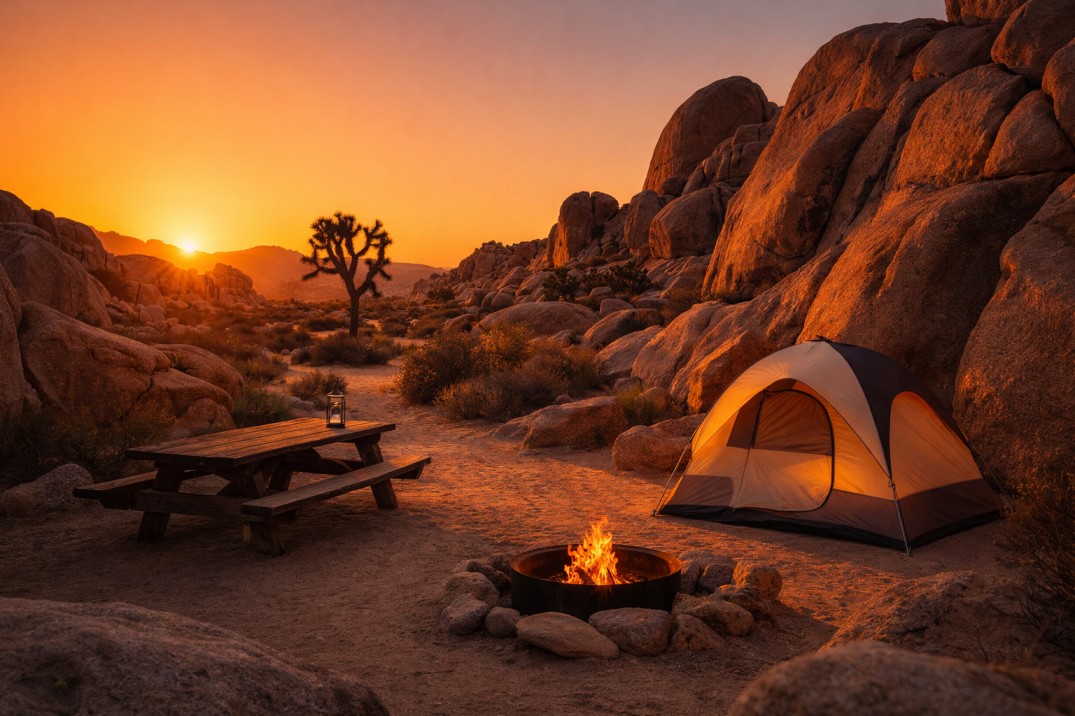
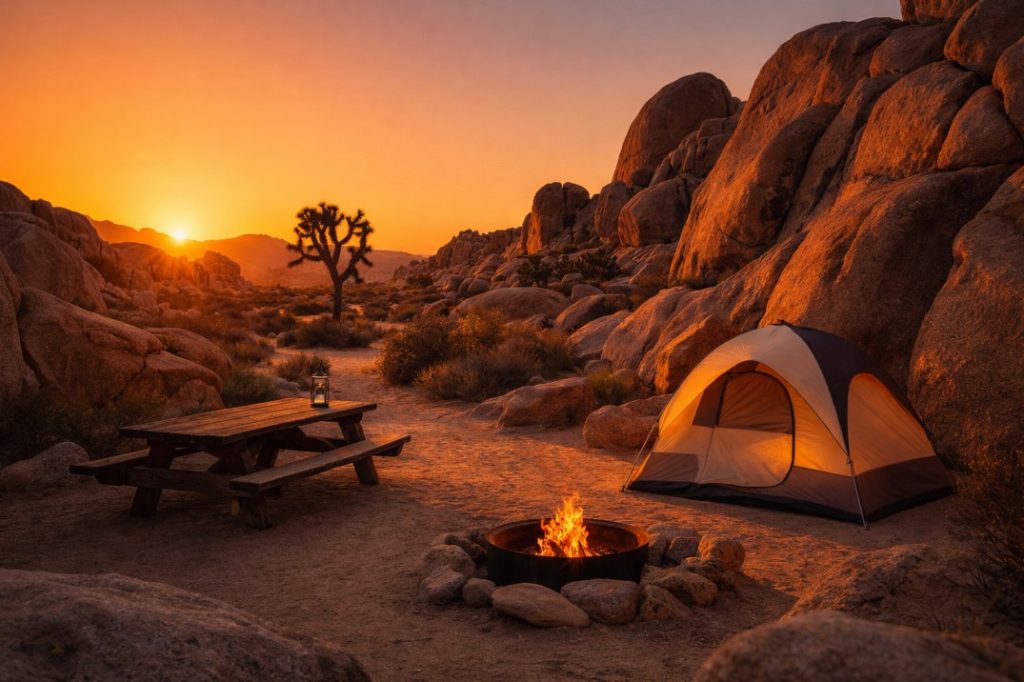
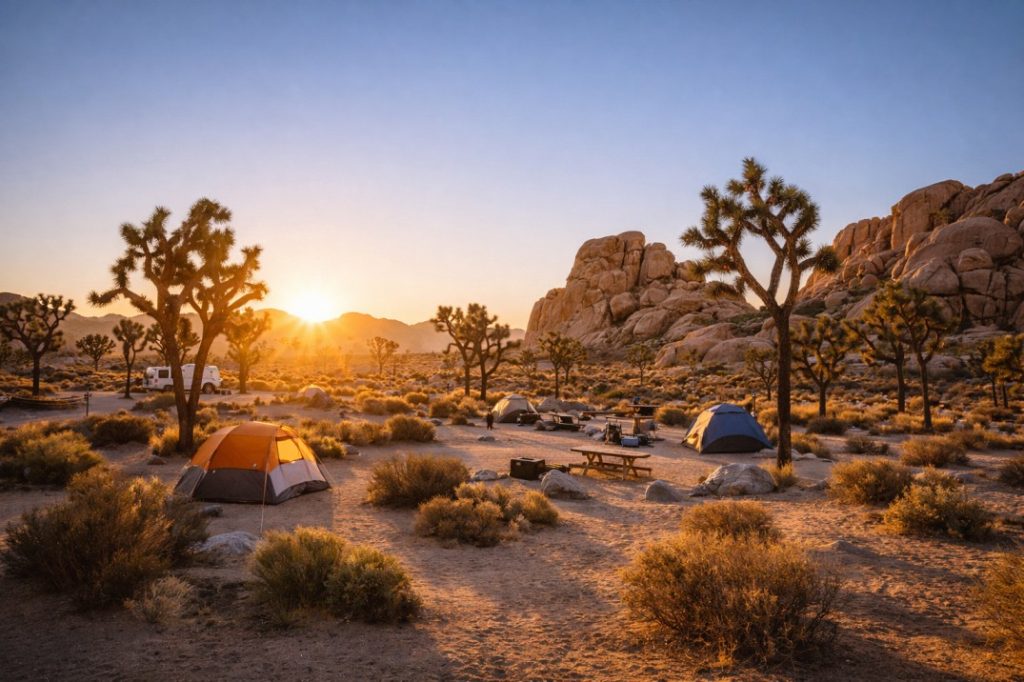
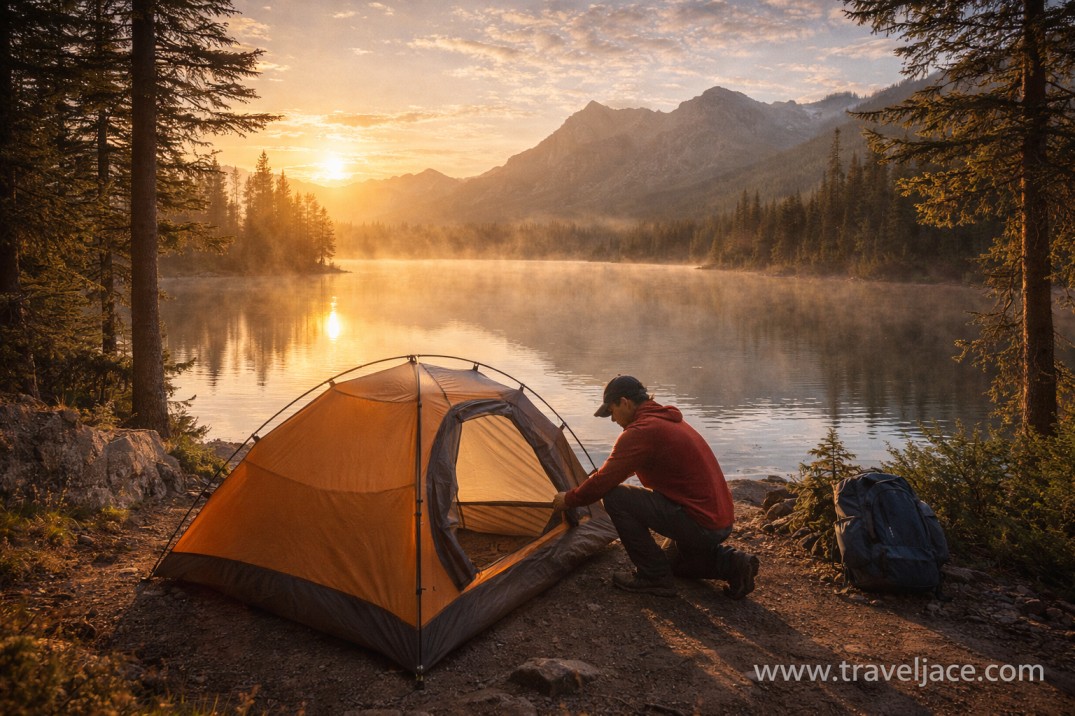
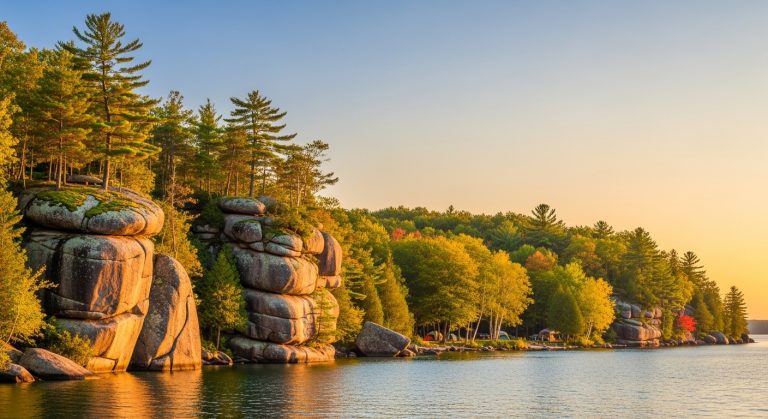
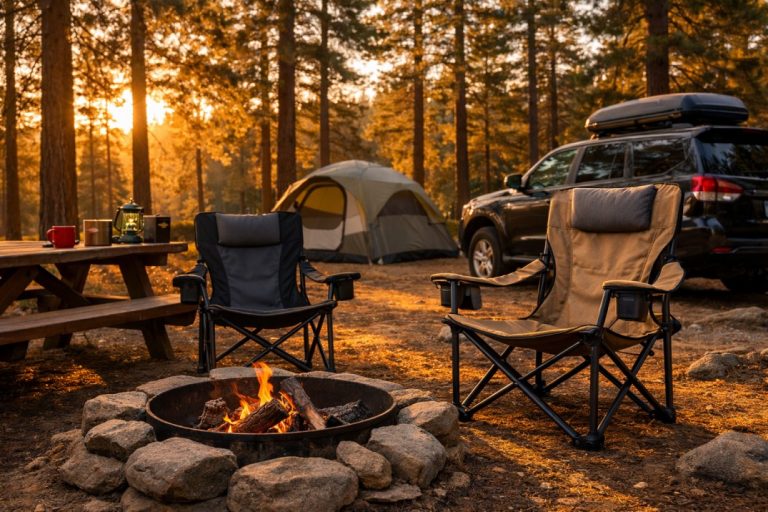
Joshua Tree National Park is one of those places that looks surreal in photos and somehow feels even more dramatic in person. The desert is wide, quiet, and full of contrast, with twisted Joshua trees rising from sandy flats, giant monzogranite boulders stacked like sculptures, and skies so open that sunrise and sunset can feel like full-blown events rather than just times of day. Camping here is not simply a cheaper alternative to a hotel in town. It is one of the best ways to experience the park at its most atmospheric, when the day-trippers are gone, the roads are quieter, and the desert begins to show off in the soft light of morning and under a sky crowded with stars.
That said, camping in Joshua Tree is not the kind of trip you want to wing blindly just because it is “the desert” and a tent seems straightforward. Campground types vary, some sites are reservation-only while others remain first come, first served, and the conditions can be more demanding than first-time campers expect. Joshua Tree is stunning, but it is also dry, exposed, and unforgiving if you underestimate water needs, temperature swings, or just how far a badly chosen campground can put you from the things you actually want to do. The smartest way to plan this trip is to understand the fees, compare the campgrounds by travel style, and go in knowing that desert comfort is mostly built before you even leave home.
This guide walks through what camping in Joshua Tree National Park actually costs, which campgrounds suit different kinds of travelers, how reservations work, what first-time campers usually get wrong, and how to plan a stay that feels memorable for the right reasons. If you want to wake up near trailheads, watch sunset from a boulder pile instead of a parking lot, and avoid learning hard lessons about desert camping at 2 a.m. in a flapping tent, this is the practical planning guide to read before you book.
Why Camping in Joshua Tree Is Worth It
A lot of visitors treat Joshua Tree as a day trip from Los Angeles, Palm Springs, or San Diego, and while that can work, it also means missing some of the best hours in the park. Early morning is cooler, quieter, and far better for hiking than midday, while evening gives you glowing rock formations, fading desert heat, and a much calmer atmosphere overall. When you camp inside the park, you are not measuring the day against a drive back to town or trying to squeeze sunrise, hikes, viewpoints, and sunset into one overpacked schedule. You are already there, which changes the pace completely.
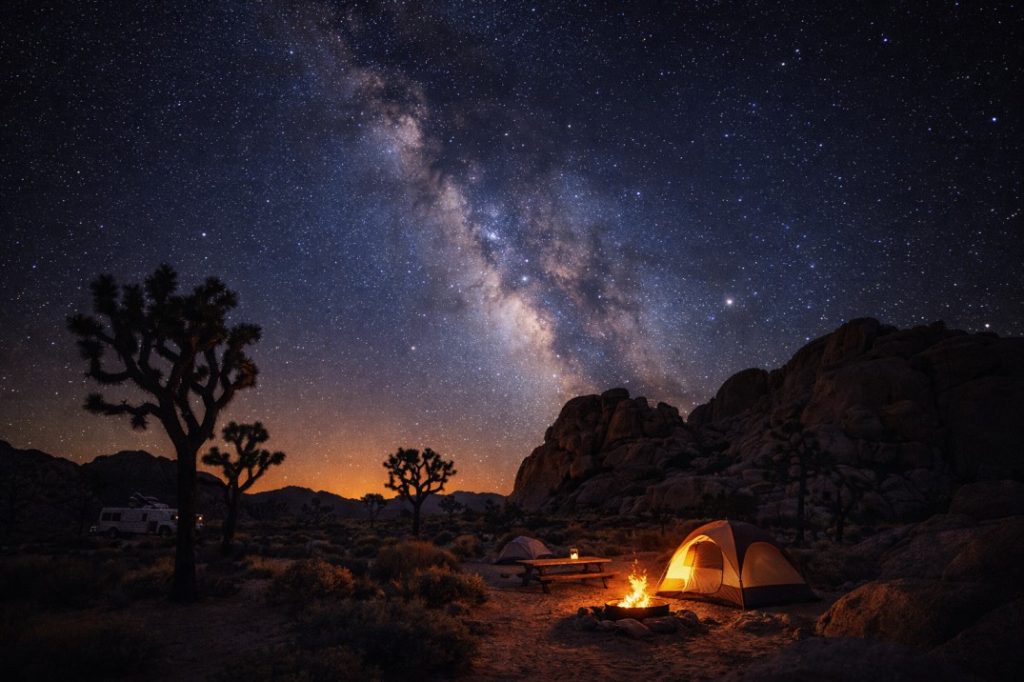
Camping also unlocks one of Joshua Tree’s biggest advantages: the night sky. The park is widely appreciated for stargazing because the desert setting offers broad horizons and relatively low light pollution compared with major Southern California cities. That means a campsite is not just a place to sleep. It is your front-row seat for constellations, meteor showers during the right seasons, and those long, quiet desert evenings when the sky seems to expand by the minute. People arrive thinking the rocks will be the highlight and then leave talking about the stars.
There is also a deeper reason camping works well here. Joshua Tree is a park that rewards slower travel. Instead of racing from one overlook to another, campers can settle into the landscape, explore in cooler windows, and enjoy the strange beauty of the desert without feeling rushed. You notice more when you spend the night: the shifting color of the rocks, the absolute stillness before dawn, the wind moving through sparse vegetation, and the simple fact that desert silence has a different texture than silence anywhere else. It is the kind of place where staying overnight turns a scenic visit into a full experience. You can read more from NPS
Is Camping in Joshua Tree Right for You?
Camping in Joshua Tree tends to be a great fit for travelers who enjoy natural scenery, do not need many creature comforts, and like the idea of building their trip around sunrise, sunset, hiking, climbing, photography, or stargazing. It is especially rewarding for travelers who already appreciate simple campsites and are happy trading luxury for location. If your dream evening involves sitting outside under a cold desert sky with a hot drink and a headlamp nearby, you will probably do very well here.
It can be more challenging for travelers who expect heavy shade, easy water access everywhere, or campground setups that feel highly developed and forgiving. Joshua Tree is not a forest campground with thick tree cover, soft green lawns, and a cozy cabin-around-the-corner vibe. It is exposed, dry, and minimalist. That is part of its magic, but it does mean first-timers should be honest about their comfort level. If you do not love camping at all, Joshua Tree is unlikely to be the place that changes your personality overnight. Beautiful desert or not, you are still camping.
For many travelers, though, that balance is exactly what makes the experience so memorable. The campsites are usually simple enough to feel immersive but structured enough to be manageable, especially if you choose the right campground and prepare properly. In that sense, Joshua Tree works best for travelers who want a real outdoor experience without needing to go fully off-grid or fully feral.
Best Time to Camp in Joshua Tree
Spring and fall are widely considered the best seasons for camping in Joshua Tree, and for most first-time visitors, that is the safest starting point. These seasons usually bring the most comfortable mix of mild daytime weather, cooler nights, and good conditions for hiking, climbing, and general exploration. Spring also carries the added appeal of possible wildflower blooms after wetter winters, which can make parts of the desert feel surprisingly colorful. The catch, of course, is that everybody else knows spring is lovely too, so this is when reservations become especially competitive.
Fall is another excellent choice because the desert begins to cool down after the most punishing summer heat, yet the days are often still ideal for spending time outdoors. The park can feel slightly less frantic than peak spring, although weekends remain busy and popular campgrounds still fill quickly. For travelers who want a strong mix of comfort, scenery, and slightly easier trip planning, fall is often one of the most appealing times to go.
Winter is quieter and can be wonderful if you prepare properly. Daytime hiking can feel great, crowds are often thinner, and the park’s desert stillness becomes even more noticeable. The main catch is nighttime cold. Desert temperatures can drop sharply after sunset, and people who assume “California desert” automatically means warm nights sometimes learn a memorable lesson in layered clothing. Winter camping can be beautiful, but it strongly favors travelers who bring real cold-weather sleeping gear and dress like they believe nighttime exists.
Summer is the toughest season for most campers because extreme daytime heat changes the entire rhythm of the trip. It is not impossible, but it is far less forgiving, especially for first-timers. If summer is your only option, you need to treat the desert seriously, build the day around very early mornings and late evenings, and avoid pretending that a flimsy bottle of water and good intentions count as heat strategy. For most readers planning their first trip, spring and fall remain the strongest recommendations.
Joshua Tree Camping Fees and Entrance Costs
One of the reasons Joshua Tree remains so appealing for campers is that the park can still be relatively affordable compared with many resort-area stays nearby, especially if you are splitting a campsite with another person or traveling as a couple. But it helps to understand that there are usually two separate costs involved: your park entrance fee and your campsite fee. These are not the same thing, and first-time visitors sometimes assume that booking a campsite automatically covers everything. It does not.
According to the National Park Service, the standard private vehicle entrance pass for Joshua Tree is currently $30 and is valid for seven days, while a Joshua Tree annual pass is $55. Visitors entering on foot or by bike pay $15 per person, and motorcycle entry is $25 for seven days. If you plan to visit multiple national parks in a year, the America the Beautiful annual pass can offer better value than paying separate entrance fees park by park. For a lot of travelers doing a Southwest road trip, that math starts working surprisingly fast.
Camping fees vary by campground rather than following one single park-wide rate, so it is best to check the exact site you want before booking. The good news is that Joshua Tree’s campground pricing is typically still reasonable compared with hotel stays in gateway towns, especially during busy seasons when local lodging rates rise. What matters more than the base campsite fee, in practical terms, is whether you are reserving a campground with the features you need. A cheaper site with no water, less shade, and a less useful location may not feel like the best deal if it creates friction throughout the trip.
How Joshua Tree Camping Reservations Work
Reservations are one of the most important parts of planning a Joshua Tree trip well because campground availability can disappear quickly during the park’s most popular months. According to the National Park Service, reservations are required at Indian Cove, Black Rock, Jumbo Rocks, Ryan, Cottonwood, and several group campgrounds, and they can be made up to six months in advance through Recreation.gov. That six-month booking window matters more than many first-timers realize, because the most sought-after weekends and spring dates do not politely sit around waiting for indecisive people to finish comparing screenshots.
The park also still has first-come, first-served options, including Hidden Valley, Belle, and White Tank. These campgrounds can work well for flexible travelers, but they are not a stress-free strategy during busy periods. If you are traveling on a weekend between October and May, the National Park Service notes that park campgrounds usually fill on weekends during that stretch. In plain terms, that means showing up late and hoping the desert will reward your spontaneity is not a plan. It is a gamble with excellent scenery.
If you are a first-time visitor and your schedule is fixed, reservation-only campgrounds are usually the safest choice. They let you build the rest of your trip around a guaranteed base instead of trying to solve lodging on arrival. Travelers with more flexible schedules can sometimes benefit from monitoring availability for cancellations, but for a first visit, securing the campsite first usually makes the rest of the planning much easier.
Best Joshua Tree Campgrounds for Different Travel Styles
Choosing the right campground matters almost as much as choosing the right travel dates because campgrounds in Joshua Tree do not all deliver the same experience. Some are more scenic, some are more practical, some are easier for RV travelers, and some suit people who want to be in the heart of the rock formations rather than near the park edges. The “best” campground depends less on prestige and more on what kind of trip you want to have.
Best campground for classic Joshua Tree scenery: Jumbo Rocks
Jumbo Rocks is one of the park’s most iconic campground choices and a strong pick for travelers who want that classic Joshua Tree look and feel. The campground has 124 individual/family sites and sits in a dramatic landscape of huge rock piles and open desert views, which makes it popular with photographers, hikers, and campers who want the scenery to feel unmistakably Joshua Tree from the moment they unzip the tent. Some sites can accommodate RV setups up to 35 feet combined length, but this campground is especially appealing for travelers prioritizing atmosphere and central park access.
For first-time visitors, Jumbo Rocks is often one of the easiest campgrounds to get excited about because it feels cinematic in the best possible way. The downside is that a lot of other people also notice that. It is popular, books up quickly, and works best when reserved early. If your goal is to stay somewhere memorable and highly photogenic, it is an excellent option. If your goal is to be mysterious and keep great camping spots secret, Joshua Tree is unfortunately not helping you here.
Best campground for climbers and a central location: Hidden Valley
Hidden Valley is legendary among climbers and long-time park fans because of its central location and boulder-rich surroundings. The campground has 44 sites, offers pit toilets, picnic tables, and fire pits, and notably has no water, which is important enough to repeat because people absolutely do forget things in the desert. This is one of the best choices if you want quick access to climbing routes, short scenic hikes, and a campsite that feels deeply embedded in the park’s rock landscape rather than merely adjacent to it.
Because Hidden Valley is first come, first served, it can be more stressful for travelers who want certainty, especially on busy weekends and during peak seasons. Still, for flexible campers who arrive early and know exactly what they are aiming for, it remains one of the most iconic places to stay in the park. It is a classic Joshua Tree experience, but it rewards preparation rather than luck.
Best campground for more amenities and easier access from town: Black Rock
Black Rock is a strong option for campers who want a more practical setup, especially first-timers, families, and RV travelers who prefer a few more comforts. It is near the park’s northwest side, making it relatively convenient for nearby services and gateway communities. The campground is often considered especially good for RV camping, and the National Park Service notes a maximum RV length of 35 feet for suitable sites.
This is often a smart campground for travelers who want the Joshua Tree experience without choosing the most rugged-feeling option right away. Being closer to the edge of the park can make arrival, resupply, and general logistics easier, which is not the most glamorous sentence ever written about camping, but it becomes very glamorous the moment you realize you forgot something important.
Best quieter option with useful facilities: Cottonwood
Cottonwood sits in the southern part of the park and tends to feel more spacious and quieter than some of the busiest northern campgrounds. It has 62 sites and is one of the more beginner-friendly developed options because it provides potable water and flush toilets. For travelers who want a slightly calmer atmosphere and do not mind being farther from the most famous central rock formations, Cottonwood can be an excellent choice.
It is especially appealing for campers who value practical comfort without leaving the park altogether. Potable water and flush toilets may not sound thrilling while you are sitting in your living room planning a trip, but in the middle of a dry desert stay they can start to feel like a very sophisticated lifestyle choice.
Best for reservation planners who want lots of space: Indian Cove
Indian Cove has 101 campsites and is a good option for travelers who want a reservation-based stay with striking rock surroundings and a bit more room to work with in the booking process. It sits off Highway 62 between Joshua Tree Village and Twentynine Palms rather than inside the main park road corridor, which can make it a practical base for some travelers. Some sites can also handle RV setups up to 35 feet combined length.
This campground often appeals to campers who want dramatic scenery without relying on first-come, first-served luck. For planners, that is a meaningful advantage. It may not be the first campground casual visitors name, but it often deserves more attention than it gets.
Camping at Joshua Tree National Park: Complete Beginner Guide
What Facilities and Amenities to Expect
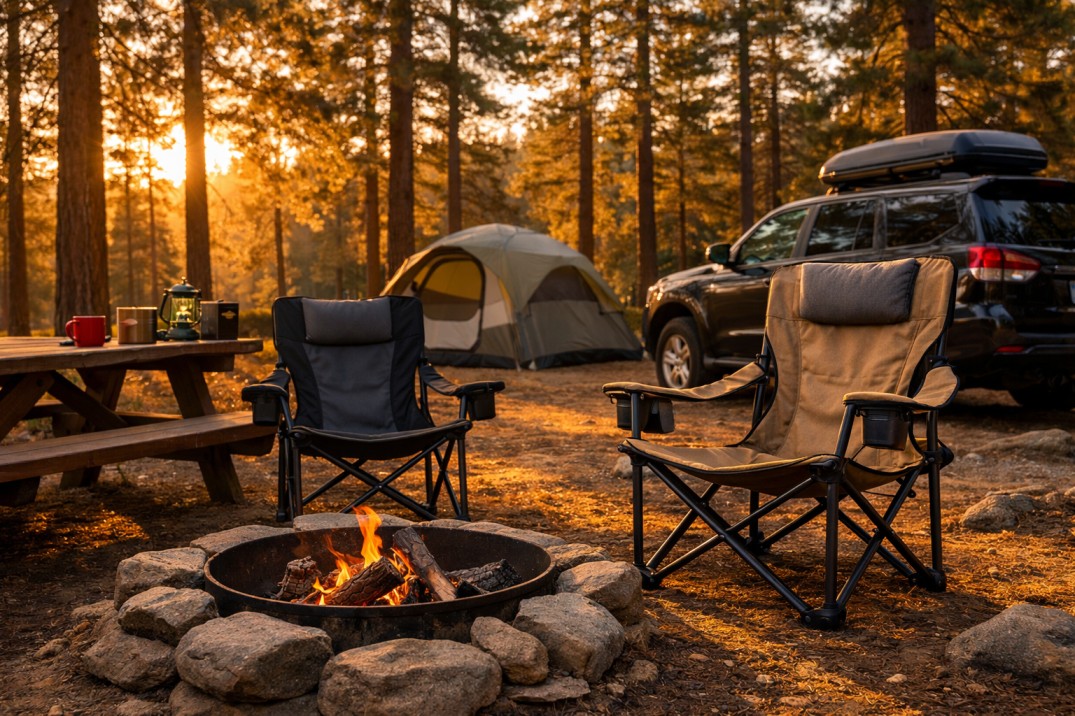
Joshua Tree campgrounds are generally simple, and that simplicity is part of the experience. Most sites include the basic framework of a campsite rather than a long list of amenities: a parking space, picnic table, and fire ring are typical, while bathroom types and water access vary by campground. Some campgrounds have potable water and flush toilets, while others are much more limited. Hidden Valley, for example, has pit toilets and no water, while Cottonwood offers potable water and flush toilets. That difference alone can shape which campground feels easiest for your first trip.
Campers should not expect electric hookups, resort-style facilities, or abundant shade. This is desert camping, not glamping with a flattering marketing team. If you need charging options, full-service hookups, or long midday naps in deep tree cover, you will need to plan around that reality rather than discovering it unhappily at check-in. Joshua Tree rewards travelers who see simplicity as part of the attraction.
Another key thing to expect is limited connectivity. The National Park Service warns that connectivity can be limited or non-existent in the park, which is relevant not only for general communication but also for entrance passes, maps, and reservation details. Download or save what you need before arrival. The desert is beautiful, but it is not especially interested in helping you reload a confirmation email.
Joshua Tree Camping for Tent Campers vs RV Campers
Tent campers often have the widest range of site options in Joshua Tree, especially in the more scenic campgrounds where the layout and rock surroundings create a more immersive experience. Campgrounds such as Hidden Valley and Jumbo Rocks are especially appealing if you want your campsite to feel integrated into the desert landscape rather than arranged around larger vehicle access. Tent camping also works well for travelers who want to keep the experience simple and focus on scenery, short hikes, and stargazing.
RV campers need to pay closer attention to length restrictions, site details, and campground fit. Several campgrounds can handle RVs up to 35 feet in certain sites, including Jumbo Rocks, Black Rock, Cottonwood, and Indian Cove, but not every site within those campgrounds can accommodate larger rigs. That means “the campground allows RVs” is not quite the same thing as “your exact RV setup will fit wherever you want.” Checking the individual site details before reserving is essential.
For first-time RV travelers, Black Rock and Cottonwood are often easier starting points than the most tightly scenic, boulder-heavy campgrounds. For tent campers, the more central and atmospheric locations may feel like the better reward. Neither approach is better overall. The right choice depends on whether you prioritize convenience, scenery, vehicle practicality, or a little of each.
What First-Time Campers Usually Get Wrong
The most common first mistake is underestimating the desert itself. People pack as if they are going to a sunny weekend picnic with a tent rather than an exposed national park where water, shade, and temperature control require real thought. In Joshua Tree, dehydration creeps up quickly, afternoon sun can feel intense even when the air seems pleasant, and nighttime cold can become uncomfortable fast if you packed for daytime photos instead of actual sleeping. Desert travel punishes optimism when optimism is doing the work of planning.
A second common mistake is focusing too much on campground name recognition and not enough on campground fit. Yes, the famous campgrounds are famous for good reasons, but the best campground for your trip is the one that suits your priorities. If you care about water, easier restrooms, or less stressful logistics, Cottonwood or Black Rock may serve you better than chasing the most iconic site just because it looks impressive in photos. If you care most about scenery and do not mind fewer amenities, then the more rugged central campgrounds may be worth the tradeoff.
Another frequent issue is arriving without a realistic timing strategy. In busy months, popular campgrounds fill fast, and weekends from October through May are especially competitive according to the National Park Service. Arriving late in the day and hoping the park will somehow produce a perfect campsite because your playlist was good on the drive in is not a strategy. It is a personality trait, and not one Joshua Tree is obligated to reward.
First-Timer Tips for a Better Joshua Tree Camping Trip
Bring more water than you think you need, then respect it like it matters, because it does. Water is the single most important comfort and safety item for Joshua Tree camping, especially if you are hiking, cooking, or simply spending long hours outdoors in dry air. Even in cooler seasons, dehydration can build faster than expected. If your campground does not have potable water, that becomes even more important.
Dress in layers and plan for temperature swings instead of average temperatures. Desert weather is deceptive because warm sunshine can make the whole day seem easy while the coming night is quietly planning a very different mood. A warm sleeping bag, insulated pad, hat, extra socks, and a real jacket make a bigger difference than many first-time campers expect. Joshua Tree is much more enjoyable when you are not pretending your hoodie is a complete four-season sleep system.
Protect your schedule as much as your skin. Start hikes early, rest during the harshest part of hot days, and save viewpoints or short walks for the best light. Desert trips improve dramatically when you work with the climate instead of trying to dominate it through stubbornness. Sunscreen, a wide-brim hat, sunglasses, and lightweight sun-protective clothing can turn an exhausting day into a much more enjoyable one.
Finally, give yourself unstructured time. Joshua Tree is not only about checking trail names off a list. Some of the best moments come from sitting outside camp with coffee after sunrise, walking among nearby boulders without a grand agenda, or watching the colors shift before dark. The desert rewards attention. Leave room for that.
FAQ: Camping in Joshua Tree National Park
Do you need reservations to camp in Joshua Tree National Park?
Yes, many Joshua Tree campgrounds require reservations, including Indian Cove, Black Rock, Jumbo Rocks, Ryan, and Cottonwood, and those reservations can be made up to six months in advance through Recreation.gov. The park also has first-come, first-served campgrounds such as Hidden Valley, Belle, and White Tank, but these can fill quickly during busy months.
How much does it cost to camp in Joshua Tree?
Camping fees vary by campground, so there is not one flat rate for every site. In addition to the campsite fee, most visitors also pay a park entrance fee. The standard private vehicle entrance pass is currently $30 for seven days, while the Joshua Tree annual pass is $55.
What is the best campground in Joshua Tree for first-time campers?
There is no one perfect answer, but Black Rock and Cottonwood are often easier for first-time campers because they offer more practical amenities and simpler logistics, while Jumbo Rocks is one of the best choices if you want classic Joshua Tree scenery and are comfortable booking early.
Is Joshua Tree camping good for beginners?
Yes, but beginners do better when they prepare carefully. Joshua Tree camping is manageable for first-timers, especially in developed campgrounds, but the desert environment means water, sun protection, warm nighttime gear, and a realistic campground choice matter more than they might in milder destinations.
Can you RV camp in Joshua Tree National Park?
Yes, some campgrounds can accommodate RVs and trailers, but site size varies. The National Park Service notes that some sites at Jumbo Rocks, Black Rock, Cottonwood, and Indian Cove can handle a combined RV length of up to 35 feet, but travelers should verify site-specific limits before booking.
Conclusion
Camping in Joshua Tree National Park is one of the best ways to experience the park as more than a scenic stop. It lets you trade traffic and day-trip pressure for sunrise quiet, dark skies, easier early starts, and the kind of immersive desert atmosphere that simply does not fit into a rushed afternoon visit. The right campground depends on your travel style, but the overall formula stays the same: understand the fees, reserve early when needed, choose a campground that fits how you actually travel, and prepare for the desert like it deserves respect.
Do that well, and Joshua Tree becomes the kind of trip people talk about long after they are home. Not because the campground was luxurious or because everything was effortless, but because the place itself is extraordinary and camping lets you stay long enough to feel it.