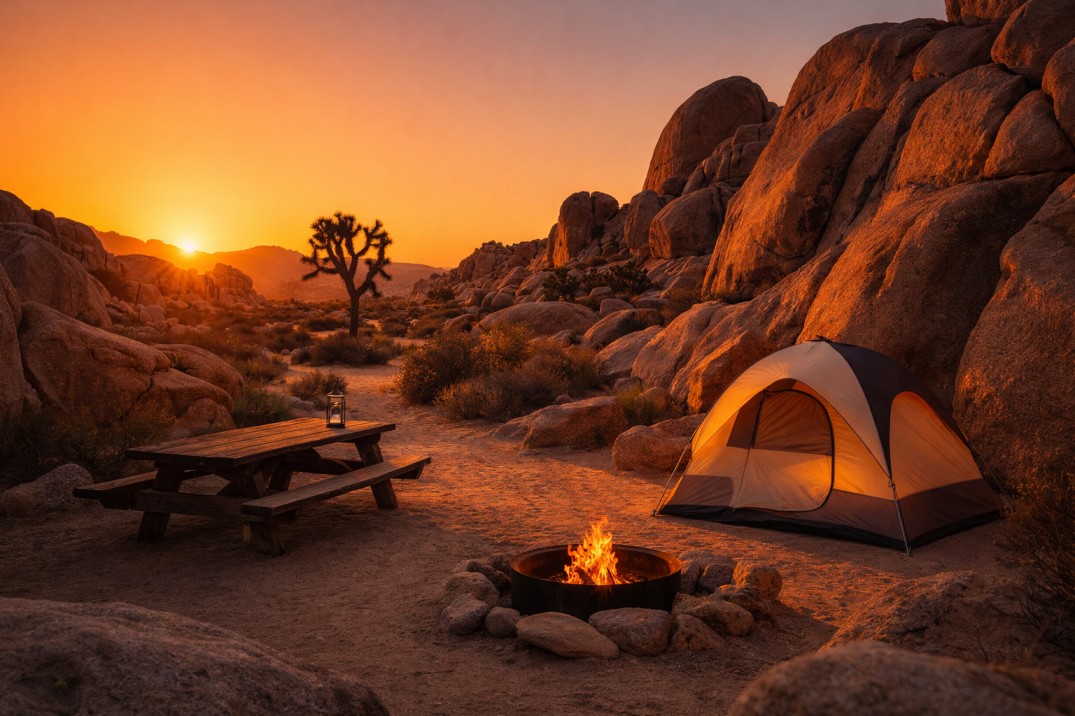
Best Camping Chairs for Road Trips and Campgrounds
Camping chairs are one of those pieces of gear that many travelers underestimate when planning a road trip or campground adventure. Most people spend hours researching tents, sleeping bags, camp stoves, and coolers, yet the chair, the one item you will likely use several hours a day, is often chosen at the last minute. In reality, a good camping chair dramatically improves the overall comfort of outdoor travel. Whether you are watching the sunrise with coffee, sitting around the campfire after dinner, waiting for food to cook, or relaxing at a scenic overlook during a long drive, your chair becomes your personal base at camp. Choosing the best camping chairs for road trips and campgrounds is therefore less about buying the most expensive option and more about finding the right balance of durability, comfort, portability, and smart design features.
For road trips and campground camping specifically, you also have an advantage compared with backpackers. Because most of your gear travels by car rather than on your back, weight is usually less important than comfort and usability. This means you can prioritize features like wider seats, padded armrests, cup holders, high backrests, and strong steel frames that support longer sitting sessions. At the same time, trunk space still matters. A family road trip might involve tents, duffel bags, cooking gear, coolers, and food bins, so chairs still need to pack efficiently. The best camping chair for a weekend at a national park campground may not be the same chair that works well for a fast-paced road trip with multiple stops and frequent repacking. Understanding how chairs differ in comfort, size, durability, and use cases makes it much easier to choose one that you will actually enjoy bringing along on every trip.
Why It’s Worth Considering
A quality camping chair can quietly transform the experience of a road trip or campground stay. This may seem like a small detail, but the difference becomes obvious after a few hours of sitting outside. Poorly designed chairs often sag in the middle, sit too low to the ground, tilt awkwardly on uneven terrain, or use thin fabric that becomes uncomfortable after extended use. Many inexpensive chairs also have weak frames that flex too much or cup holders that tear after a few trips. By contrast, a well-designed chair provides stable support, a comfortable sitting angle, and enough durability to handle years of outdoor use. Once you have used a good one, the difference becomes immediately noticeable, especially on longer weekends when your campsite chair starts to feel almost as important as your sleeping setup.
Road trips and campground camping involve a surprising amount of downtime, which is exactly when a good chair becomes valuable. Travelers often imagine outdoor trips as constant activity — hiking trails, exploring viewpoints, kayaking lakes, or visiting attractions. But real trips include quiet stretches in between: mornings waiting for water to boil for coffee, afternoons relaxing in the shade, evenings talking around the fire, and occasional stops at scenic viewpoints during long drives. Recent outdoor participation reporting has also shown that camping continues to attract millions of participants, including strong growth among both seniors and younger travelers, which helps explain why comfort-oriented campground gear keeps getting more attention. The more often people camp, the more quickly they realize that a chair is not a throwaway accessory. It is one of the main pieces of gear shaping how restful, social, and enjoyable camp time actually feels.
Camping chairs also allow you to customize your gear to your personal travel style. Couples who enjoy slow mornings and sunset views may prefer padded, high-back chairs with strong arm support. Families may focus on chairs that are durable, affordable, and easy for kids to use. Travelers who move camp frequently may prioritize lightweight chairs that pack smaller and load quickly into the car. Meanwhile, comfort-focused campers sometimes prefer oversized chairs or reclining models that feel more like patio furniture. In other words, this seemingly simple item actually has a meaningful impact on the comfort and flexibility of your entire travel setup. If you are car camping rather than backpacking, choosing the right chair is one of the easiest ways to make the whole trip feel more relaxed without adding much planning complexity.
Best Camping Chairs for Road Trips and Campgrounds
Best Time to Buy Camping Chairs
The best time to buy camping chairs is usually several months before peak outdoor season begins. Many retailers stock their largest selection of camping gear during late winter and early spring in preparation for spring and summer travel. Shopping during this period gives you the widest range of models, materials, and price points to compare. You are more likely to find specific features such as breathable mesh panels, high‑back support, or compact collapsible frames before popular models sell out.
Late‑season shopping can also be a smart strategy if saving money is the main goal. Many outdoor retailers run clearance sales toward the end of summer or early fall when seasonal gear is discounted to make room for winter inventory. Camping furniture, including chairs, is often included in these promotions. Holiday sales events and outdoor gear promotions can also provide good opportunities to purchase higher‑quality chairs at reduced prices.
The climate and destination of your trips also influence which chair features are most useful. In warm climates or humid environments, breathable mesh panels and quick‑drying synthetic fabrics help improve airflow and reduce moisture buildup. In cooler mountain environments, deeper seats and padded backs can make evenings around the campfire far more comfortable. Travelers who visit lakes, beaches, festivals, or outdoor events may benefit from chairs with wider feet that prevent sinking into sand or soft soil. Thinking about where and when you typically travel helps narrow down which designs will perform best in real‑world conditions.
A helpful rule is to buy early enough to test the chair before your trip. Sit in it for a while at home, set it up on grass or gravel, and confirm it fits comfortably in your vehicle. Even well‑reviewed chairs can feel very different once you actually sit in them for thirty minutes.
What to Know, Do, and Expect
The main types of camping chairs
When shopping for the best camping chairs for road trips and campgrounds, most options fall into four main categories. Each style offers advantages depending on how you travel and how much space you have in your vehicle.
Classic quad-fold chairs are the most recognizable style. These chairs collapse vertically and store inside long cylindrical carry bags. They are extremely common because they combine convenience, durability, and affordability. Many include cup holders, armrests, side pockets, and reinforced steel frames that support heavier weights. For general campground use, this design remains one of the most practical choices because it unfolds quickly and feels stable on uneven ground. It is also the easiest style to find in big-box stores, outdoor retailers, and campground towns, which makes it a dependable fallback if you need a chair quickly before a trip.
Compact collapsible chairs use lightweight frames connected by shock cords and fabric seats that attach after the frame is assembled. These chairs often pack much smaller than traditional folding chairs, sometimes fitting inside compact storage bags roughly the size of a small backpack. This makes them especially appealing for road trips where trunk space is limited. Higher-quality versions can be surprisingly comfortable while remaining extremely portable, which is why they have become so popular with travelers who want gear that works for both car camping and occasional day-use stops.
Low-profile camping chairs sit closer to the ground and are designed primarily for relaxed lounging. These chairs are popular for beach trips, lakeside campsites, outdoor concerts, and casual campsite relaxation. They offer a laid-back seating position but may be harder to stand up from for taller travelers or people with knee or mobility issues. They are best when comfort means reclined lounging rather than upright support for meals, reading, or longer evenings around a fire ring.
Oversized or reclining camp chairs focus on comfort above all else. These models often include wider seats, reinforced frames, padded armrests, and higher weight capacities. Some even include adjustable recline positions or built-in head support. While these chairs are heavier and bulkier, they are extremely comfortable for longer stays in established campgrounds where you are not packing and unpacking every day. If your version of camping is closer to outdoor living than minimalist packing, this category is often the most satisfying.
The features that matter most
Comfort in a camping chair depends on more than just padding. Seat height, seat depth, back angle, and fabric tension all affect how comfortable the chair feels during extended use. A well-designed chair supports your posture naturally and distributes weight evenly across the seat and back. Even chairs with minimal padding can feel excellent if the frame design and fabric tension are well balanced. By contrast, a thickly padded chair with poor ergonomics can feel awkward within minutes.
Packed size and weight matter differently for car camping compared with backpacking. Since you usually carry the chair only a short distance from the vehicle to the campsite, overall comfort and stability often matter more than shaving a few pounds. However, packed dimensions still influence how easily the chair fits alongside other gear in the trunk. Two chairs that appear similar in photos may occupy very different amounts of cargo space. A traditional comfort-first chair may pack long and narrow, while a compact collapsible chair may pack into a shorter, boxier case that slides more easily between duffels and storage bins.
Durability is another important consideration. Many higher-quality chairs use powder-coated steel or aluminum frames designed to handle repeated folding and outdoor exposure. Strong polyester or nylon fabrics resist stretching and tearing, especially around stress points where the seat attaches to the frame. Some chairs also include reinforced stitching and double-layer fabrics to improve longevity. These small construction details often determine whether a chair lasts for multiple seasons or fails after a handful of trips. It is often worth reading the frame material and fabric denier details rather than judging only by product photos.
Seat height is especially important and often overlooked. Standard-height chairs are generally easier to sit down in and stand up from, which makes them a better fit for older adults, taller travelers, or anyone who feels stiff after long drives. Lower chairs can feel cozy and relaxed, but they are not always ideal for campground meals, campfire cooking, or frequent up-and-down movement around the site. The same logic applies to back height. Higher-back chairs tend to feel more supportive on relaxed evenings, while smaller compact chairs may save space but offer less shoulder or upper-back support.
Weight capacity can also tell you something about the chair beyond the number itself. A higher capacity often suggests a sturdier frame, stronger hubs, or thicker materials, although it does not automatically guarantee better comfort. Some of the most popular comfort-oriented models on the market have capacities that reflect this heavier-duty construction. For example, the ALPS Mountaineering King Kong is popular partly because it combines a roomy design with an 800-pound stated capacity, while the YETI Trailhead is known for supportive tensioned fabric and a 500-pound stated capacity. On the other end of the spectrum, packable chairs like the Helinox Chair One remain appealing because they fold small while still supporting up to 320 pounds. These examples are useful because they show the tradeoff clearly: bigger comfort chairs usually take more trunk space, while compact chairs save space but often feel less plush.
Extra features can also enhance usability when they are thoughtfully implemented. Cup holders are useful for drinks around the fire. Side pockets help store phones, flashlights, or small books. Carry straps make it easier to transport chairs from parking areas to campsites. Breathable mesh panels are especially useful in warm climates where airflow matters. However, overly complex additions such as built-in coolers or fold-out tables sometimes add bulk without improving everyday comfort. Simpler designs that focus on stability, support, and easy folding often perform best over time.
Best camping chair styles for different travelers
For most travelers planning road trips and campground stays, a dependable mid-range quad-fold chair is the easiest recommendation. It balances comfort, durability, and ease of setup while remaining widely available at reasonable prices. This style works particularly well for national park campgrounds, state park sites, and family camping trips where the chair will likely stay set up for long periods. It is the most reliable choice for people who want something familiar, practical, and low-fuss.
Travelers driving smaller vehicles or packing large amounts of gear may benefit from compact collapsible chairs instead. These chairs typically pack much smaller than traditional folding models and can fit into tight storage spaces between bags or equipment. When designed well, they provide a surprisingly comfortable seating experience while remaining highly portable. This category is especially useful for road trippers who mix camping with hotels, cabins, beaches, or scenic day stops and do not want long chair bags rolling around the trunk.
Campers who prioritize relaxation above all else often prefer oversized chairs, rocking chairs, or reclining models. These chairs create a more lounge-like campsite experience and are especially popular with travelers who spend extended time sitting around campfires, reading outdoors, or socializing with friends and family. If your trips are built around slow evenings and comfortable mornings rather than high-mileage movement, this style can add real value.
For people who want one chair that works for multiple types of trips, premium compact chairs from well-known outdoor brands can provide an excellent compromise. They pack small enough for travel yet remain comfortable enough for extended use at campsites. This makes them a strong choice for couples, solo travelers, and minimalist campers who want fewer gear redundancies.
Product categories worth looking at
The modern camping chair market includes a wide range of designs aimed at different travel styles. Durable comfort-focused chairs such as the ALPS Mountaineering King Kong are known for their sturdy frames, wide seats, and campground-first mindset. Premium designs like the YETI Trailhead emphasize long-term durability, structured support, and more refined fabric tension systems. Compact travel-friendly chairs from brands such as Helinox and REI focus on portability without sacrificing too much comfort. Rocking or reclining models from companies like NEMO and GCI Outdoor are popular among campers who prioritize relaxation at established campgrounds.
Couples and families may also consider loveseat-style camp chairs or dual-seat options that allow two people to sit together comfortably. These designs are less portable but can add a cozy social element to campground evenings. They make the most sense for car campers who already know they will be staying at developed campgrounds and are not worried about carrying gear very far.
As a practical rule, think about camping chairs in terms of use-case buckets rather than chasing a single universal winner. A best overall campground chair is usually a classic mid-range foldable model that feels comfortable, stable, and easy to pack. A best compact option is usually a collapsible chair that saves trunk space. A best comfort pick is often an oversized or rocker-style chair. And a best value chair is one that feels dependable over multiple seasons without jumping into premium pricing. This framework helps narrow your options much faster than browsing endless reviews.
Ultimately, the best choice depends less on brand names and more on personal priorities. Travelers who value comfort should prioritize supportive seats and strong frames. Travelers concerned about vehicle space should prioritize compact folding designs. And those who camp frequently may benefit from investing in more durable materials that will withstand years of outdoor use.
Best Camping Chairs for Road Trips and Campgrounds
Where to Stay, Best Areas, and Best Setup Ideas
When choosing camping chairs, it helps to think about where you will actually use them. Different types of campgrounds and travel situations favor different chair designs.
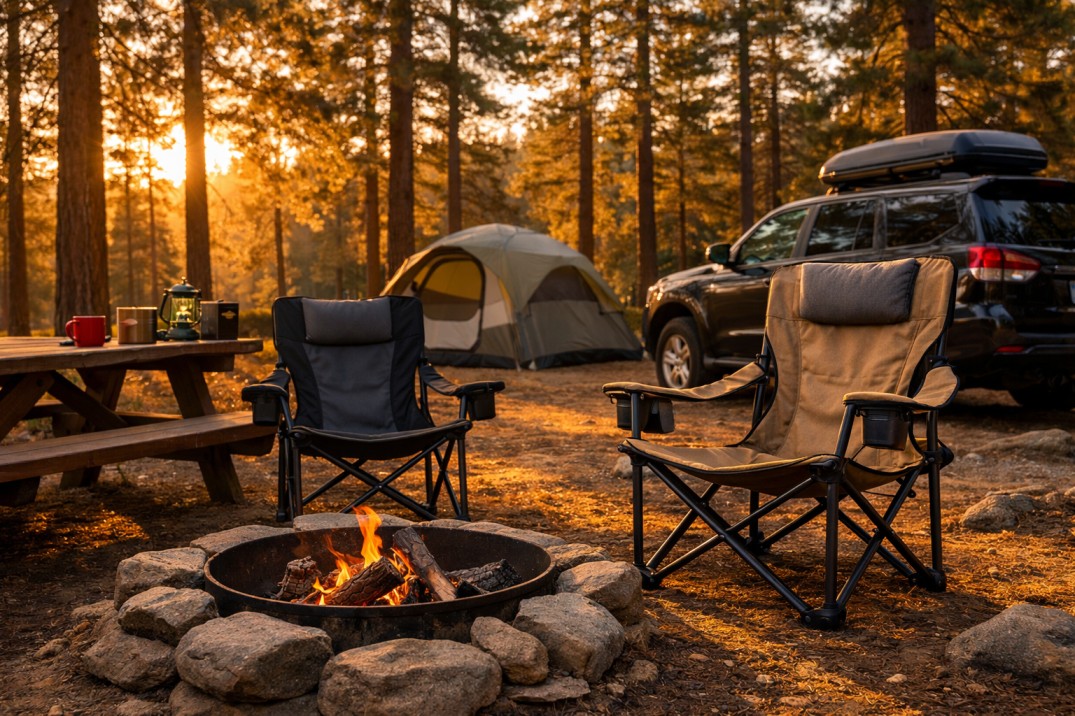
At developed campgrounds, where vehicles park close to campsites and amenities such as picnic tables and fire rings are available, full‑size camp chairs usually make the most sense. Comfort becomes the main priority because you may spend several hours each day sitting around the campsite. Larger chairs with armrests and stable frames perform particularly well in these settings.
At roadside camps or short overnight stops, compact chairs often provide a better balance between comfort and packability. Travelers moving between multiple destinations may prefer chairs that store neatly between luggage and gear.
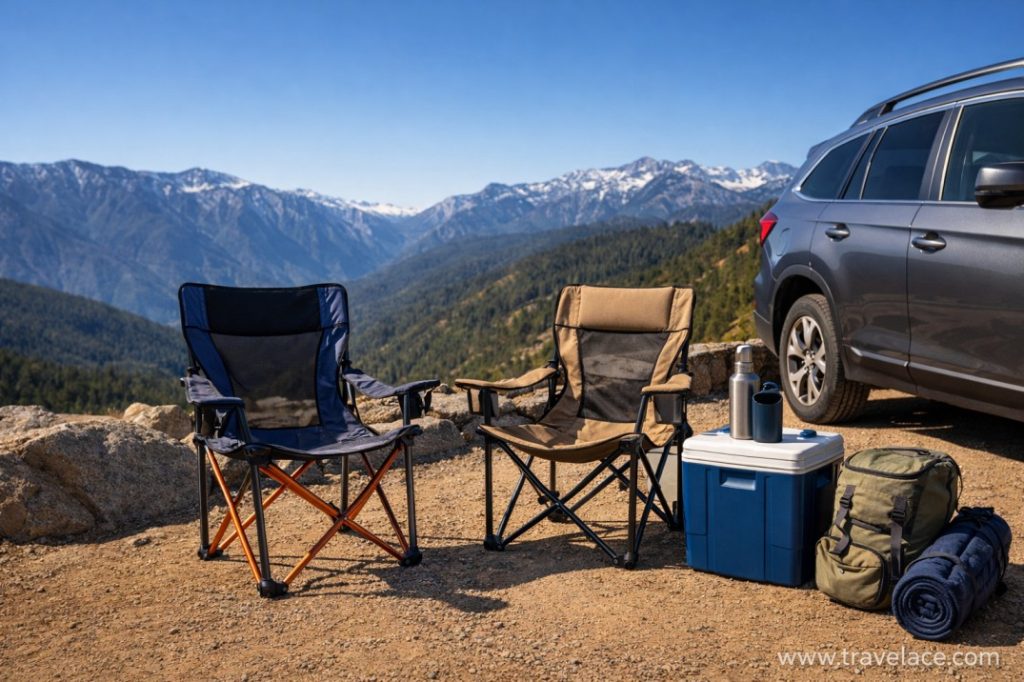
At beaches, lakes, outdoor concerts, or scenic overlooks, lightweight or low‑profile chairs can be especially convenient. Some road trippers bring one primary chair for camp and one smaller chair for quick stops along the way.
Couples sometimes prefer mixing chair types depending on comfort preferences. One person may choose a larger chair with extra support while the other prefers a lightweight collapsible model. Families often benefit from durable mid‑range chairs that can withstand repeated use by children and adults alike.
Budgeting, Costs, and Value Tips
Camping chairs vary widely in price depending on materials, durability, and design complexity. Entry-level chairs are inexpensive and widely available, but they often use thinner fabrics and lighter frames that may wear out faster with frequent use. These chairs can still work well for occasional trips or backyard gatherings, but they may not withstand years of regular camping. For some travelers, a budget chair makes sense as a backup or guest option rather than the main chair you count on all season.
Mid-range camping chairs typically offer the best value for most travelers. At this level, manufacturers often use stronger frames, better fabrics, and more thoughtful ergonomic designs. These improvements translate directly into better comfort and longer lifespan. This is usually the sweet spot for road-trippers and campground campers because the chair feels meaningfully better without becoming a premium splurge. If you camp several times a year, the difference between a bargain chair and a solid mid-range chair is usually obvious by the end of the first season.
Premium camping chairs cost more but often deliver noticeably better durability and support. They may use stronger aluminum frames, high-quality fabrics, advanced hub systems, and tensioned seat designs that improve stability and comfort. For travelers who camp frequently or spend long evenings outdoors, these improvements can justify the higher cost over time. Premium chairs also tend to have better fit-and-finish details, smoother setup, and more refined carry systems, which matters more than people expect on repeat trips.
When evaluating value, consider how often the chair will be used. A durable chair that lasts five or more seasons of camping, road trips, beach visits, and backyard gatherings may ultimately cost less per use than a cheaper model that must be replaced every year. A smart way to think about it is cost per trip rather than sticker price alone. A chair that costs more upfront but performs well over dozens of weekends often ends up being the more economical choice.
It is also worth budgeting based on who will use the chair most. If one person in your group is picky about comfort, gets back pain easily, or spends long stretches sitting around camp, upgrade that seat first. Families do not always need four premium chairs at once. Sometimes the better strategy is to buy one or two higher-quality main chairs, then add simpler secondary chairs for kids or occasional guests. This approach keeps the budget practical while still improving the overall comfort of the campsite.
How to Get There and Plan the Trip
Selecting a camping chair also involves thinking about how it fits into your overall travel setup. Start by considering the storage space available in your vehicle. Larger SUVs and trucks allow more flexibility for oversized comfort chairs, while smaller vehicles benefit from compact designs that pack efficiently.
Before purchasing a chair, visualize your typical packing layout. Road trips often include tents, sleeping gear, cooking equipment, coolers, clothing bags, and food storage bins. Chairs must fit around these items without creating awkward gaps that waste cargo space.
Another factor is how frequently you will move campsites. Travelers staying several nights in one campground may prefer larger chairs that prioritize comfort. Those moving every day may prefer compact chairs that pack quickly and store easily.
If your trip involves flying and renting a vehicle at your destination, purchasing inexpensive chairs locally or renting them from an outdoor shop may be easier than transporting bulky gear.
Testing the chair before your trip is always worthwhile. Set it up at home, sit in it for a while, and fold it repeatedly to ensure the mechanism works smoothly. These small tests often reveal issues that might otherwise become frustrating during your trip.
Best Camping Chairs for Road Trips and Campgrounds
Practical Travel Tips
Buy a chair that matches how you actually camp rather than the idealized version of your trip. Comfort matters far more for campground stays than extreme weight savings, and many travelers end up happier with a slightly bulkier chair that feels good for an hour than with a tiny chair they only tolerate for ten minutes.
Pay attention to seat height before buying. Low chairs can be relaxing but may be difficult for some travelers to stand up from after long days of activity. Standard-height chairs are generally the safer all-around pick for road trips and developed campgrounds.
Check packed dimensions carefully to ensure the chair fits easily inside your vehicle. This matters especially if you travel with hard coolers, camp kitchens, or storage bins that do not compress around awkwardly shaped gear.
Test stability on uneven ground whenever possible. Campsites rarely have perfectly flat surfaces, and a chair that feels steady on a showroom floor can wobble badly on dirt, gravel, or grass.
Look for quick-drying fabrics if you camp in humid environments or near lakes and rivers. Morning dew, light rain, and wet swimsuits can make some seats uncomfortable if the fabric absorbs too much moisture.
Consider bringing a small mat or flat board if you often camp on soft soil where chair legs may sink. This is a simple fix that can make almost any chair feel more stable.
If traveling with children, choose durable designs that can handle climbing, shifting, and frequent use. Kid-friendly in practice usually means stable, simple, and not too hard to fold.
Focus on strong frames, comfortable seating angles, and reliable folding mechanisms rather than unnecessary gimmicks. The best camping chairs for road trips and campgrounds usually succeed because they do the basics exceptionally well.
If possible, sit in a chair for at least fifteen to twenty minutes before fully committing to it. Many chairs feel acceptable at first but reveal pressure points, awkward arm positions, or poor lower-back support over time. Even a short at-home test can help you avoid buying something that looks great online but ends up frustrating at camp.
FAQ
What is the best type of camping chair for road trips?
For most road trips, a classic quad‑fold camping chair remains the best all‑around option because it balances comfort, stability, affordability, and easy setup. Compact collapsible chairs are better when trunk space is limited.
Are expensive camping chairs worth it?
Higher‑priced chairs can be worth the investment for frequent campers because they often provide better support, stronger materials, and longer lifespan. Occasional campers may find mid‑range models offer the best value.
What matters more for campground chairs: weight or comfort?
For campground camping, comfort generally matters more because you rarely carry the chair far from your vehicle. However, packed size still matters when organizing gear for road trips.
Are low camping chairs good for campgrounds?
Low chairs are excellent for lounging, beach settings, and relaxed campsite seating. However, travelers who prefer easier entry and exit often choose standard‑height chairs instead.
How many camping chairs should a family bring?
Most families bring at least one chair per person. Some also bring an additional chair for guests or a loveseat‑style camping chair for shared seating.
Conclusion
The best camping chairs for road trips and campgrounds are the ones that complement your travel style, vehicle space, and comfort preferences. While there are many designs available, the right chair is simply one that provides reliable support, easy setup, and a comfortable place to relax after a day outdoors.
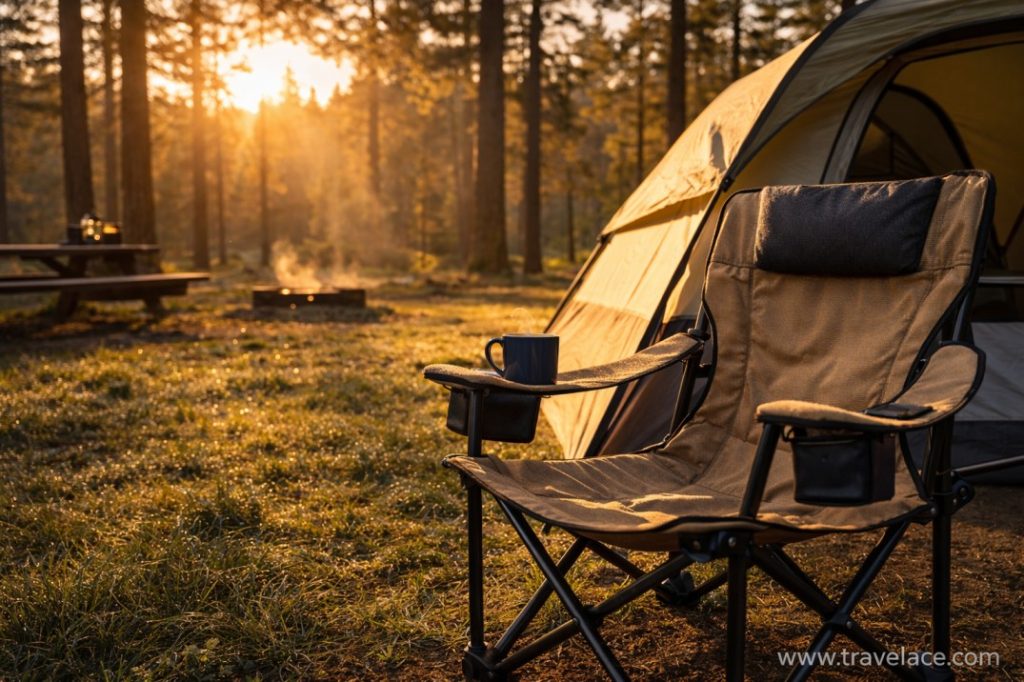
Investing in a well‑made chair can significantly improve your overall camping experience. Whether you are watching a sunset at a scenic overlook, enjoying a quiet morning coffee at the campsite, or sharing stories around the fire, the right chair turns those simple moments into some of the most enjoyable parts of the trip.