Best Places to Explore in the USA for Your Next Trip 2026
Planning a trip across the United States can feel exciting and overwhelming at the same time, especially because of just how much variety the country offers. You are not choosing between a few similar destinations. You are choosing between completely different experiences, from towering national parks and coastal drives to fast paced cities and quiet small towns that feel like a different world entirely. That level of choice is what makes travel in the USA so appealing, but it is also what makes planning difficult if you do not have a clear direction from the start.
The real challenge is not finding places to visit. It is deciding where to focus your time so the trip feels smooth, intentional, and genuinely enjoyable instead of rushed and scattered. A well planned trip in the USA usually comes from narrowing your focus, not expanding it.
This guide is written to help you do exactly that. Instead of listing destinations without context, it will show you how to choose the best places to explore in the USA for your next trip based on your travel style, the season, and how you actually want your days to feel from morning to evening.
How to Choose the Best Place to Visit in the USA
If you want a simple way to decide where to go in the USA, the easiest approach is to match your destination to the kind of experience you want rather than starting with a random list of places. If you are drawn to energy, culture, and constant activity, major cities like New York City, Chicago, or Los Angeles are usually the right fit. If you want scenery and open space, national parks such as Yellowstone, Yosemite, or the Grand Canyon will feel far more rewarding. If your idea of a good trip is slower and more relaxed, beach destinations like San Diego, Miami, or Maui give you that balance. And if you prefer charm and a quieter pace, places like Charleston, Sedona, or Aspen tend to stand out.
The key idea is simple but important. Choose one region and explore it properly instead of trying to cover multiple distant areas in one trip. That single decision often makes the difference between a trip that feels stressful and one that feels smooth and memorable.
Best Places to Explore in the USA for Your Next Trip 2026
Top 10 Best Places to Explore in the USA (Quick Shortlist)
If you want a quick shortlist that works for most travelers, these destinations are strong starting points because they combine accessibility, variety, and overall experience in a way that makes trip planning easier. New York City offers unmatched energy, culture, neighborhoods, museums, and food, which makes it one of the strongest choices for travelers who want a classic city experience. The Grand Canyon delivers one of the most powerful natural views in the world and works especially well if you want a trip built around scenery and memorable landscapes. Yosemite National Park stands out for its waterfalls, granite cliffs, and beautiful valley views, while San Diego is one of the easiest coastal destinations to enjoy because it combines beaches, great weather, and a relaxed pace without needing a complicated itinerary.
Miami brings together beaches, nightlife, and a strong cultural atmosphere, while Yellowstone offers wildlife and geothermal landscapes that feel unlike anywhere else in the country. Charleston is known for its history, charm, and slower rhythm, Sedona for its calm desert atmosphere and striking red rock scenery, Maui for its scenic island experience and more laid back beach travel, and Chicago for its balance of architecture, food, waterfront views, and city energy. Each of these places works well because it delivers a clear type of experience. That clarity is exactly what makes them reliable choices for a first or second trip.
Regional Trip Planner for the USA
One of the most effective ways to plan a trip in the USA is to think in terms of regions rather than individual destinations. The country is large enough that trying to jump between regions can quickly turn into long travel days that take away from your actual experience. When you choose one region and build your trip around it, everything starts to feel more connected and easier to manage.
West Coast and Southwest
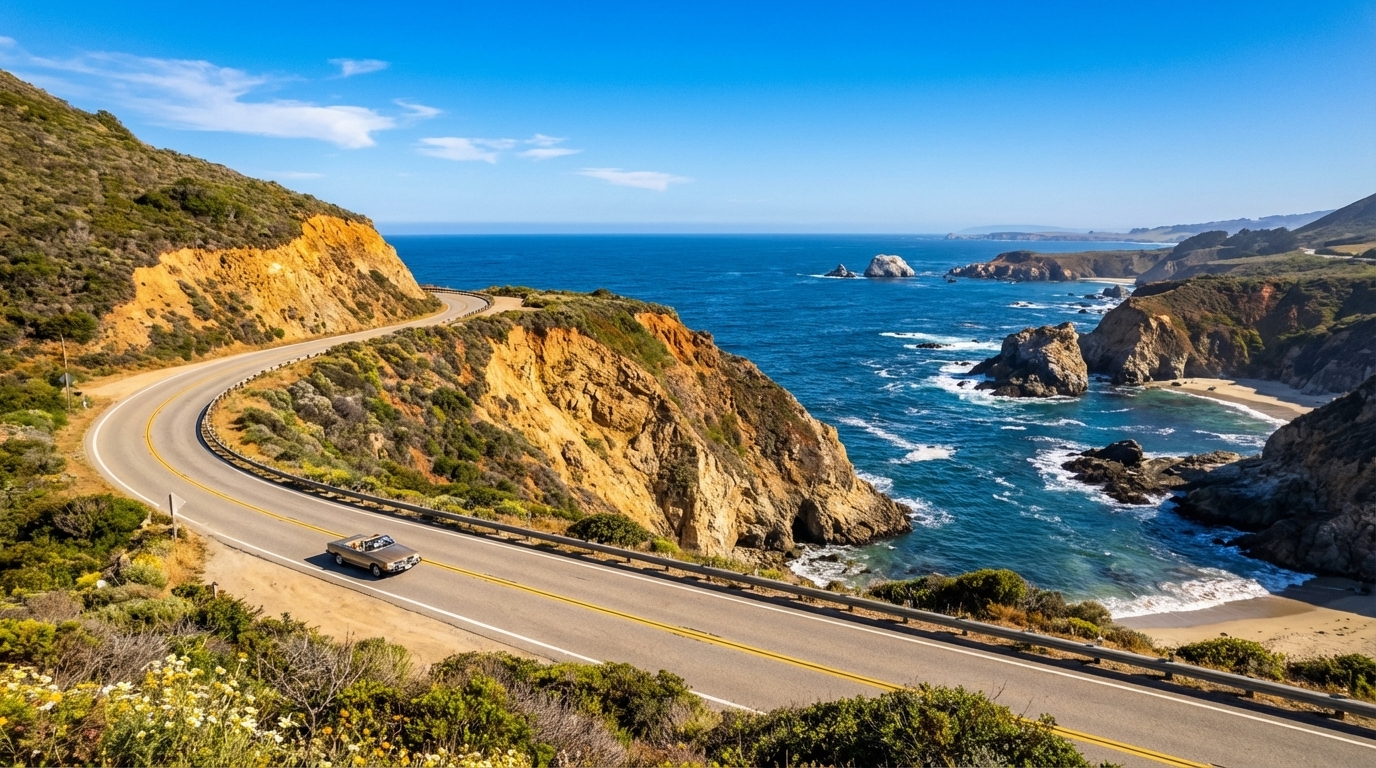
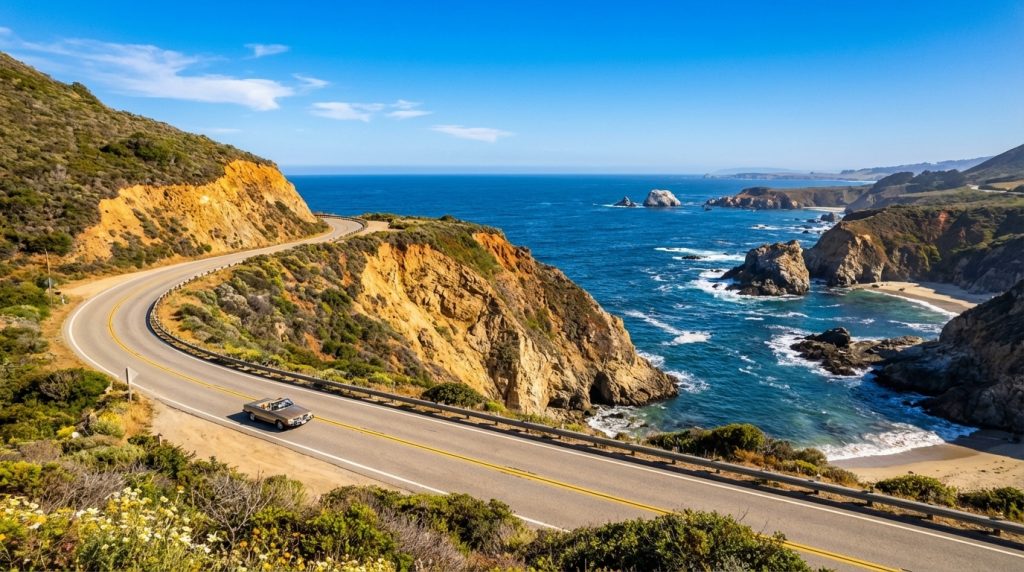
This region is one of the most popular for a reason. It offers a strong mix of cities, coastlines, and national parks in a way that can be combined into a single well structured trip. You can move from cities like Los Angeles or San Francisco to scenic drives along the Pacific Coast Highway, then into places like Yosemite, Las Vegas, the Grand Canyon, or the national parks of Utah. It is ideal if you want variety without constantly changing your travel style.
East Coast and Northeast
The East Coast works best for travelers who enjoy history, cities, and seasonal travel. You can combine New York City with Boston and Washington DC, then add smaller coastal towns in places like Maine for a quieter contrast. The region is more compact than the West, which makes it easier to move between destinations without losing too much time in transit.
South and Southeast
The South offers a different rhythm. It is less about rushing between major landmarks and more about culture, food, music, and atmosphere. Cities like Charleston, Nashville, and New Orleans each have a distinct personality, while Florida provides access to beaches and warmer weather. This region works well if you want a trip that feels relaxed but still interesting.
Mountain West
The Mountain West is best for outdoor focused travel. States like Colorado, Wyoming, and Montana give you access to mountains, national parks, and wide open space. This region is ideal if you want fresh air, scenic drives, and a slower pace built around nature rather than city life.
Choosing a region is one of the most practical decisions you can make. It reduces travel time, simplifies planning, and makes the overall trip feel more cohesive.
Why the USA Is Worth Exploring
The United States stands out as a travel destination because of how much variety it offers within a single country. You are not limited to one type of experience. Instead, you can move between completely different landscapes and atmospheres without needing to cross a border or adjust to an entirely new system of travel.
In one trip, you might find yourself walking through a major city in the morning and exploring a national park a day later. You can go from coastal views to mountain scenery, from desert landscapes to forests, and from busy urban environments to quiet scenic areas. That flexibility makes it easier to design a trip that feels personal rather than generic.
It also means the USA rewards repeat travel. Each trip can feel completely different depending on where you go and how you plan it.
Best Time to Visit the USA for Travel
The best time to explore the USA depends heavily on your destination, but understanding the general patterns can help you plan more effectively. Spring and fall are often the most comfortable seasons for travel across many regions because temperatures are moderate, crowds are more manageable, and the overall experience feels balanced. These seasons are especially good if you are combining cities with outdoor destinations.
Summer is the most popular time to travel, particularly for national parks, beaches, and road trips. Long daylight hours and open access make it attractive, but it also brings higher prices and heavier crowds in many places. Planning ahead becomes more important during this period.
Winter offers a different type of experience. It works well for snow destinations, holiday travel, and quieter city visits. Some national parks and remote areas may have limited access, so it is important to match your destination with seasonal conditions.
Choosing the right season is not just about weather. It directly affects how crowded, expensive, and enjoyable your trip will feel.
What to Know Before Choosing Your Destination
Before you decide where to go, it helps to step back and think about what kind of trip you actually want. This is often more important than the destination itself. If you enjoy structure, culture, and a wide range of activities, cities are usually the better fit. If you prefer open space, scenery, and time outdoors, national parks and natural regions will feel more rewarding. If your priority is rest, coastal or lake destinations tend to offer the simplest and most relaxing experience.
Distance is another factor that many travelers underestimate. The USA is large, and travel between regions can take longer than expected. What looks close on a map can easily turn into several hours of travel. Focusing on one area instead of trying to cover too much is almost always the better choice.
When you match your destination to your travel style and keep your plan focused, the trip becomes much easier to enjoy.
Best Places to Explore in the USA for Your Next Trip 2026
Best Places to Explore in the USA by Travel Style
Hidden Gem Destinations in the USA Worth Exploring
Some of the most memorable trips come from destinations that are not always at the top of every list. These places often offer the same level of beauty or interest as more famous locations, but with fewer crowds and a more relaxed atmosphere.
The Great Smoky Mountains in Tennessee and North Carolina provide scenic drives, waterfalls, and a quieter national park experience that feels more accessible than some of the busier parks. Lake Tahoe in California and Nevada combines mountain scenery with clear water and year round activities, making it a versatile destination without the intensity of a major city. Door County in Wisconsin offers a peaceful coastal style experience with small towns and lighthouses, while Moab in Utah gives you access to dramatic desert landscapes and nearby parks like Arches and Canyonlands. Bar Harbor in Maine delivers a classic coastal feel with access to Acadia National Park and scenic ocean views.
These destinations work especially well if you want something unique without dealing with heavy tourist traffic.
State by State Highlights for Your Trip
Looking at the USA by state can help you narrow down your options in a practical way. California stands out for its range, combining cities, coastlines, and national parks in one region. New York offers both the energy of New York City and quieter upstate areas with lakes and mountains. Florida is known for beaches and theme parks, making it a strong choice for both relaxation and family trips. Arizona offers desert landscapes and iconic views like the Grand Canyon and Sedona. Colorado is ideal for mountain scenery and outdoor activities, while Utah is home to some of the most dramatic national parks in the country.
Texas provides a mix of culture, cities, and wide open space, and Washington State combines urban areas like Seattle with forests, mountains, and coastline. Tennessee is known for music and access to the Smoky Mountains, and Maine offers coastal charm with a quieter feel.
This approach makes the planning process feel more manageable because you are narrowing your focus step by step.
Best Cities to Explore in the USA
Cities in the USA vary widely, and choosing the right one depends on the kind of pace and energy you want. New York City is often the first choice because it offers constant activity, world class museums, and neighborhoods that each feel distinct. Los Angeles provides a more spread out experience where you can move between beaches, entertainment areas, and different parts of the city at your own pace. Chicago delivers a strong mix of architecture, food, and culture, often with a slightly more relaxed feel than coastal cities.
Each of these cities works well because it offers enough variety to fill several days without feeling repetitive.
Best National Parks and Nature Destinations
National parks are one of the strongest reasons to travel within the USA. Yellowstone offers geothermal features and wildlife that feel unique, while the Grand Canyon provides one of the most visually striking landscapes in the world. Yosemite is known for its cliffs, waterfalls, and accessible viewpoints that make it appealing for a wide range of travelers.
If you want something less crowded, parks like Zion or Rocky Mountain National Park offer equally impressive scenery with a slightly different feel.
Best Beach Destinations in the USA
Beach destinations in the USA range from lively to quiet. Miami combines warm weather with nightlife and culture, making it ideal for travelers who want energy. San Diego offers a calmer coastal experience with consistent weather and an easy going atmosphere. Maui focuses more on scenery and relaxation, with beaches that feel connected to the surrounding landscape.
For a quieter experience, smaller coastal towns or areas like the Florida Gulf Coast can be a better choice.
Best Small Towns and Scenic Areas
Smaller towns often provide the most relaxed and memorable experiences. Charleston stands out for its history and atmosphere, Sedona for its unique desert scenery, and Aspen for its combination of mountain views and seasonal activities. These places work well when you want to slow down and focus on the experience rather than constantly moving.
Best Places in the USA by Traveler Type
Choosing a destination based on your travel style can make planning much easier. First time visitors often do well with iconic destinations like New York City, the Grand Canyon, or Yosemite because they are easy to plan and deliver strong experiences. Couples may prefer places like Maui, Napa Valley, or Charleston where the atmosphere is more relaxed and scenic. Families often benefit from destinations like Orlando, San Diego, or accessible national parks that offer a balance of activities.
Solo travelers tend to enjoy cities that are easy to navigate and full of options, such as New York or Chicago. Budget travelers usually get more value from smaller cities, road trips, and national parks where costs can be controlled more easily.
Where to Stay and How to Choose
Where you stay can shape your entire trip in ways that are not always obvious at first. In cities, staying near major attractions reduces travel time and makes it easier to move through your day without constant planning. In national park areas, staying just outside the park often provides better availability and pricing while still keeping you close enough for early starts. In beach destinations, being near the water usually adds convenience that is worth the extra cost.
Choosing convenience over small savings often leads to a better overall experience.
Budgeting and Travel Costs in the USA
Travel costs in the USA vary widely depending on the destination and how you plan your trip. Major cities and well known areas tend to be more expensive, while smaller towns and less popular destinations can offer better value. The key is not just to spend less, but to spend in a way that supports the kind of trip you want.
Booking early, traveling during shoulder seasons, and balancing spending between accommodation, food, and activities can help you stay within your budget without sacrificing the experience.
How to Get Around the USA
Transportation choices can shape how your trip feels. Flights are the fastest way to cover long distances, while rental cars are the best option for road trips and national park visits. Public transportation works well in major cities but becomes limited outside them.
Choosing the right transportation early helps everything else fall into place more easily.
Sample 7 Day USA Trip Plan (Flexible Example)
A simple structure can make your trip feel balanced instead of rushed. Start with one or two days in a major city to settle in and explore key highlights. Then move into a nearby region or second destination for a change of pace. Use the middle of the trip for your main experience, such as a national park or scenic drive. End with a relaxed final day that allows you to enjoy the destination without pressure.
This kind of structure keeps the trip flexible while still giving it direction.
Practical Travel Tips
Keeping your trip simple often leads to a better experience, especially in a country as large and varied as the United States. Focus on one region instead of trying to jump across the country, check weather conditions well in advance if your plans involve outdoor destinations, and book major attractions or national park entries early when needed. It also helps to leave breathing room in your schedule instead of filling every hour with activity. Some of the best moments in a trip come from unplanned time, slower mornings, scenic detours, or the freedom to stay longer in a place that surprises you.
It is also smart to think practically about pace. A destination may look manageable on paper, but once you factor in airport transfers, hotel check in, driving time, parking, lines, or weather delays, an overloaded itinerary can start to feel exhausting very quickly. The trips people enjoy most are usually the ones that leave room for both highlights and recovery time. A simple plan almost always travels better than an ambitious one.
Common Mistakes to Avoid
Trying to visit too many places in one trip is one of the most common mistakes. It often leads to more time spent traveling than actually enjoying the destinations. Another mistake is underestimating distance, which can turn a simple plan into a long day of transit. Seasonal differences are also important. A destination that looks ideal in one season may feel completely different in another.
The best trips usually come from realistic planning and a clear focus.
FAQ
What are the best places to explore in the USA for first time visitors?
New York City, the Grand Canyon, and Yosemite are strong starting points because they offer iconic and accessible experiences.
Is the USA good for road trips?
Yes. The country is well suited for road trips, especially in regions with scenic routes and national parks.
When is the best time to travel to the USA?
Spring and fall are often the most comfortable seasons, but the best time depends on your destination.
How many days do you need to explore the USA?
Focusing on one region for about a week is usually the most effective approach.
Conclusion
The best places to explore in the USA depend on how you want your trip to feel once you are actually there. Some travelers want the energy of a major city, while others want mountain air, scenic drives, beach days, or small towns where the pace feels slower and more personal. The good news is that the United States offers all of those experiences. The challenge is simply choosing the one that fits your current trip best.
When you focus on one region, match the destination to your travel style, and plan with realistic expectations, the trip becomes much easier and far more enjoyable. Instead of trying to see everything, you give yourself the chance to experience a place properly. That is usually what makes a trip memorable in the first place. The USA offers endless variety, but the most successful trips are the ones that feel simple, well paced, and intentional.