Best Nature Walks for Travelers Who Want Easy Outdoor Days
Not every traveler wants a steep mountain climb, a full-day trek, or a trip built around difficult outdoor challenges. Many people simply want a gentle way to enjoy fresh air, beautiful scenery, and a slower rhythm while traveling. That is exactly why easy nature walks have become such a popular part of modern trip planning. They offer the rewards of being outdoors without requiring advanced fitness, hiking experience, or specialized gear. For travelers who want to step into forests, lakeshores, wetlands, coastal paths, and scenic park trails without turning the day into a workout, these walks can be one of the most satisfying parts of a trip.
Easy nature walks are especially appealing because they fit so naturally into real travel schedules. Families with children, older travelers, casual walkers, photographers, road trippers, and travelers recovering from long flights or busy sightseeing days often want an outdoor experience that feels calm rather than demanding. In many destinations, easy trails now include paved routes, boardwalks, short loops, and scenic paths with benches, viewpoints, and interpretive signs that make the experience more comfortable and enjoyable. Instead of chasing distance or elevation, these walks let travelers focus on the atmosphere, the landscape, and the pleasure of simply being outside.
This guide explores the best nature walks for travelers who want easy outdoor days and a more relaxed connection with the places they visit. It covers why easy walks are worth adding to your itinerary, the best times to enjoy them, the kinds of trails that work best for casual travelers, where to find them, and how to plan a low-stress outdoor day that still feels memorable. It is designed for readers who want travel ideas that are scenic, practical, and easy to enjoy without overcomplicating the trip.
Why Easy Nature Walks Are Worth Considering
Easy nature walks offer one of the simplest and most rewarding ways to experience a destination beyond its busy streets, major attractions, and indoor sights. Even a short walk through a forest path, a riverside trail, a lakeside boardwalk, or a coastal lookout route can reveal a different side of a place. You notice details that often disappear in faster-paced travel: birds moving through trees, sunlight changing across the water, wind in tall grasses, the sound of a creek, or the quiet rhythm of a trail lined with local plants. For travelers who want nature without committing to a demanding hike, these easy walks create a balance between accessibility and immersion that is hard to beat.
They are also one of the most flexible outdoor experiences you can add to a trip. A gentle trail of one to three miles can often fit into a morning before sightseeing, an afternoon after a scenic drive, or a quiet break between urban activities. That flexibility makes easy walks especially valuable for travelers who want some outdoor time without reorganizing their entire itinerary around adventure travel. You still get movement, scenery, and a sense of place, but without the exhaustion or logistical planning that longer hikes often require.
There is also a strong mental and emotional appeal to this kind of travel experience. Easy nature walks encourage a slower pace, and that slower pace often becomes part of the value. Instead of focusing on speed, athletic effort, or reaching a summit, travelers can pay attention to the experience itself. That makes these outings particularly attractive for people who want soft adventure, restorative travel, or a more mindful day outdoors. In many cases, the quiet satisfaction of an easy trail can be just as memorable as a more dramatic hike, especially when it fits the mood and energy of the trip.
Best Nature Walks for Travelers Who Want Easy Outdoor Days
Quick Answer: What Makes a Nature Walk Easy for Travelers?
An easy nature walk is usually a short, well-maintained trail with little elevation gain, clear signage, and a comfortable surface such as packed dirt, gravel, pavement, or boardwalk. Most easy walks range from about half a mile to three miles and are designed to be manageable for casual walkers, families, older travelers, and visitors who want scenic outdoor time without strenuous hiking. The best easy nature walks also offer things that improve the travel experience, such as good views, shade, benches, rest stops, wildlife interest, or educational signs that help visitors connect with the landscape.
Best Time to Enjoy Easy Nature Walks While Traveling
One of the biggest advantages of easy nature walks is that they can work in almost any season depending on the destination. Spring is often one of the best times because trails feel fresh, green, and full of life. In many regions, this is when wildflowers begin to bloom, streams run more actively, and trees return to full color after winter. For travelers who want relaxed outdoor days without intense heat, spring offers especially comfortable walking conditions and some of the most photogenic landscapes of the year.
Early summer is another excellent time for easy walks, particularly in destinations where mornings stay cool and daylight lasts longer. This can be ideal for travelers who want to combine scenic walking with other activities in the same day. In hotter destinations, however, midday can become uncomfortable, which is why early starts and late-afternoon outings often work better than walking in the center of the day. The best travel experience often comes from matching the walk not just to the season but also to the local climate and time of day.
Autumn is especially attractive in places known for colorful foliage, cooler temperatures, and clear skies. Easy forest loops, lakefront trails, and park roads lined with trees can become spectacular during this season without requiring much effort from the traveler. Even winter can work in mild-weather destinations where coastal paths, desert trails, and sunny park routes remain accessible and pleasant. The key is to choose the right setting. Easy outdoor days are less about one universal season and more about selecting conditions that make walking feel inviting rather than tiring.
What to Expect on Easy Nature Walks
Most easy nature walks are designed to be comfortable, scenic, and straightforward. In many destinations, they include wide trails with minimal elevation change, stable walking surfaces, and clear route markings. These paths may be paved, gravel-based, compact dirt, or raised boardwalks through wetlands and protected habitats. Because the trails are often short and relatively gentle, they are usually manageable for a broad range of travelers, including those who do not consider themselves hikers.
You can also expect these walks to focus more on scenery and observation than on physical challenge. Many easy trails are built around a highlight such as a lake, marsh, waterfall, viewpoint, canyon rim, botanical area, beach edge, or wildlife zone. Rather than demanding endurance, they offer visual rewards at a comfortable pace. This makes them ideal for travelers who care more about atmosphere, photos, and feeling connected to the setting than about distance covered.
Facilities also tend to be better on easy nature walks than on remote backcountry trails. Benches, restrooms, shaded stops, viewing platforms, picnic areas, and educational signs are common in well-developed parks and reserves. Those details matter because they make the walk feel more welcoming and help turn a short outing into a relaxed travel experience rather than just a quick pass through nature.
Best Nature Walks for Travelers Who Want Easy Outdoor Days
Best Types of Nature Walks for Easy Outdoor Days
Forest loop trails
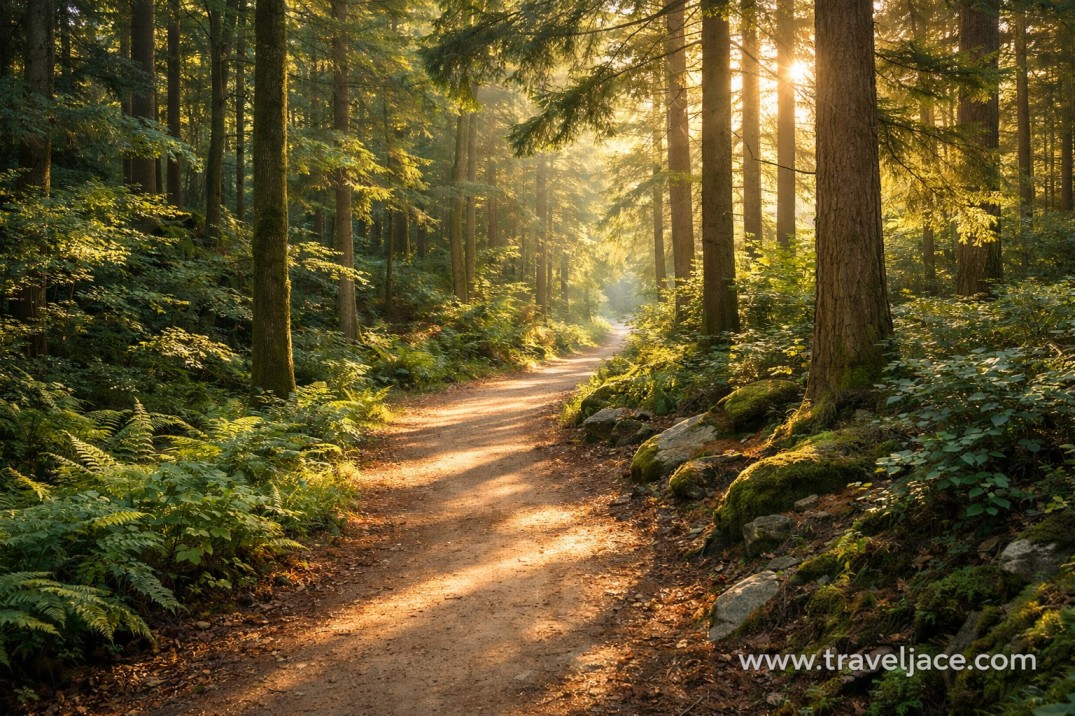
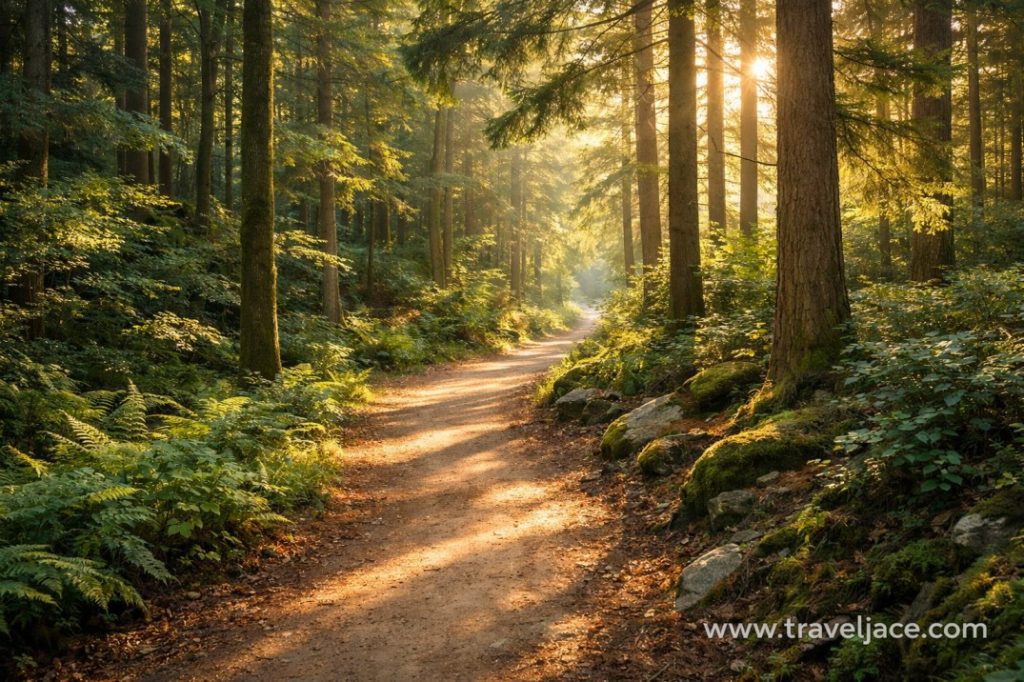
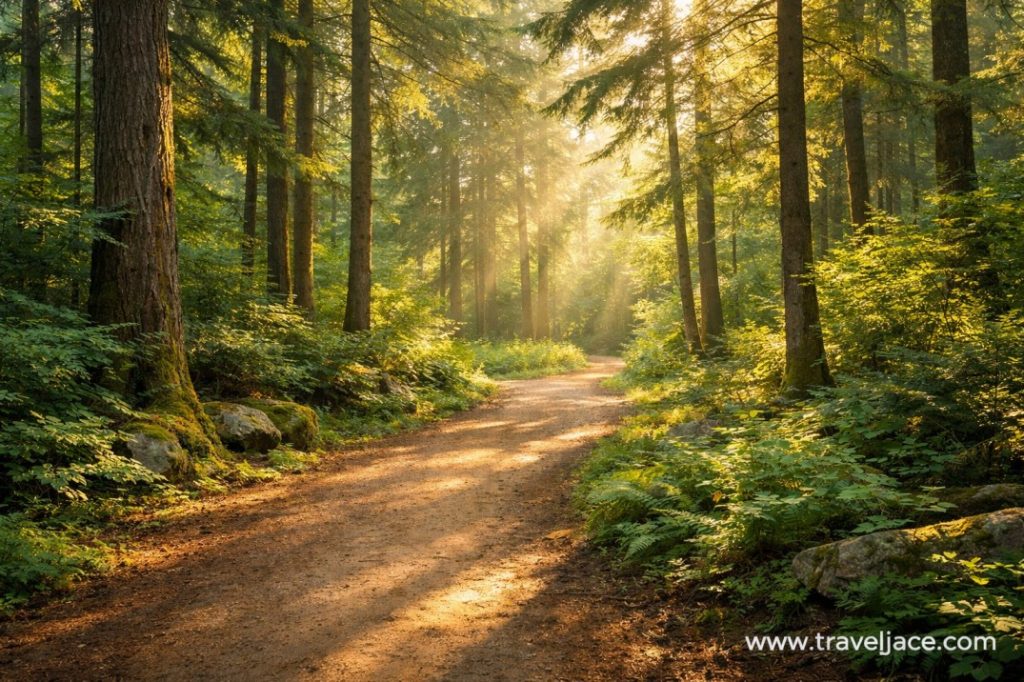
Forest loop trails are among the best easy nature walks for travelers because they combine shade, calm surroundings, and a strong feeling of immersion without usually demanding much physical effort. These paths are often relatively flat and well maintained, making them especially appealing for morning strolls, family outings, or quiet mid-trip breaks. They also tend to be excellent for birdwatching, photography, and escaping heat in warmer seasons.
Lakeside paths and waterfront walks
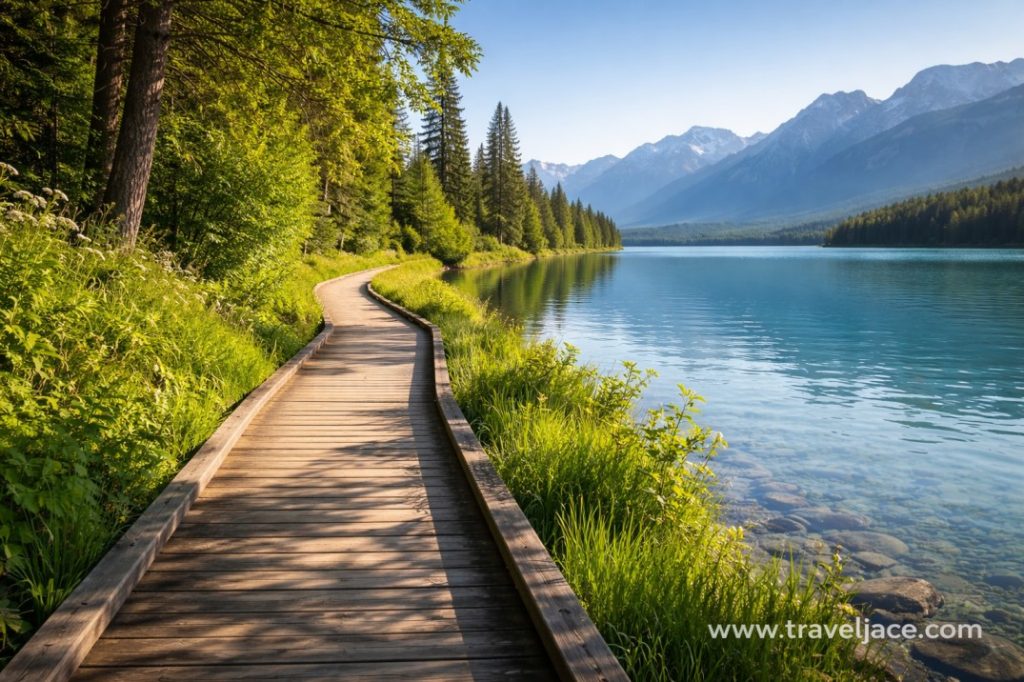
Lakeside trails are another strong option for travelers who want easy outdoor days. Water naturally creates a calming atmosphere, and many lakeside paths are built with accessibility in mind. These routes may circle part of a shoreline, cross marshy edges on boardwalks, or follow quiet paths through nearby parkland. The experience is usually less about effort and more about reflection, open views, and peaceful scenery.
Wetland boardwalks
Wetland boardwalks are especially good for travelers because they often provide nature access with very little difficulty. Raised paths protect delicate ecosystems while making walking easy for visitors. These routes are often excellent for wildlife viewing, especially birds, turtles, and other species that gather near water. They also tend to include informative signs, which adds educational value for families and curious travelers.
Coastal promenades and cliffside paths
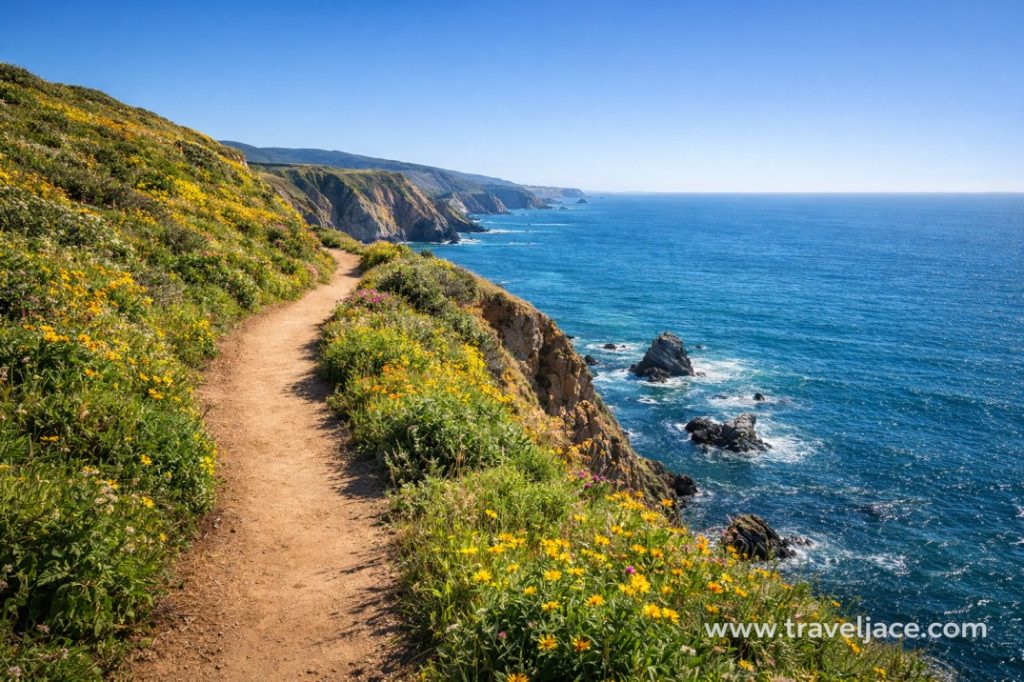
Coastal walks can be some of the most rewarding easy outdoor experiences because they deliver dramatic scenery without requiring mountain-level effort. In many seaside destinations, well-maintained paths follow the coastline, connect viewpoints, or run along cliffs with railings and regular stopping points. The combination of sea air, open sky, and panoramic views makes these walks particularly memorable.
Botanical garden and nature reserve trails
For travelers who want a softer introduction to outdoor walking, botanical gardens and protected nature reserves can be ideal. These spaces often blend managed landscapes with natural settings, creating a walking experience that feels scenic and relaxing without being rugged. They are especially good for travelers who want easy access, rest areas, and a more polished environment.
Best Nature Walks for Travelers Who Want Easy Outdoor Days
Where to Find the Best Easy Nature Walks
Many of the best easy nature walks are found inside national parks, state or regional parks, nature reserves, botanical gardens, and protected coastal areas. These places often invest in trail systems that welcome a wide range of visitors rather than only experienced hikers. Accessible loops, scenic viewpoints, paved nature paths, and interpretive boardwalks are common features in destinations that understand how many travelers want outdoor beauty without extreme effort.
Urban green spaces are another excellent place to look. Large city parks often include wooded areas, lakefront walking paths, wetlands, bird habitats, and scenic gardens that provide a strong sense of nature while staying close to hotels, restaurants, and transportation. This can be especially useful for travelers who want an easy outdoor day without renting a car or leaving the city entirely.
Coastal destinations, mountain towns, and lake regions are often especially rich in easy-walk options. These destinations usually understand that not every visitor is looking for difficult hikes. As a result, they often provide shorter scenic routes that make the landscape accessible to more people. For travel planning purposes, that means easy nature walks are often less about finding one famous trail and more about choosing destinations that are full of walkable scenery overall.
Best Destinations for Easy Nature Walk Travelers
Some destinations naturally work better than others for travelers who want easy outdoor days. National parks with strong visitor infrastructure, lake towns with maintained shore paths, coastal areas with public lookouts, and cities with large landscaped parks are often the best fit. Places such as Banff, Lake Louise, Yosemite Valley, the English Lake District, the Pacific Northwest, coastal California, Switzerland’s lower-elevation valley walks, and many parts of New Zealand are popular partly because they offer scenic outdoor experiences across a range of effort levels.
The best destination for this kind of traveler is usually one where nature is easy to reach and enjoyable without major preparation. You want places where you can drive, shuttle, or walk to the trailhead, enjoy the path in regular daywear and comfortable shoes, and still come away feeling like you truly experienced the landscape. That is what separates an easy nature-walk destination from one that mainly rewards stronger hikers.
How to Choose the Right Nature Walk While Traveling
Choosing the right easy walk starts with being honest about what kind of day you want. Some travelers want an effortless scenic boardwalk with lots of stopping points. Others are comfortable with a gentle two-mile path as long as the elevation is light and the route is clearly marked. The goal is not to choose the most famous trail automatically. It is to choose the walk that fits your energy, schedule, weather conditions, and reason for being there.
It also helps to look beyond the label of “easy.” Not every trail marked easy will feel the same in practice. Surface conditions, sun exposure, distance, and access to rest areas can all affect how comfortable the walk feels. A short rocky trail with no shade may feel harder than a slightly longer paved one. Reviewing trail descriptions, visitor photos, and park maps can make a big difference before you go.
Travelers should also think about what kind of scenery matters most to them. Forest silence, open lake views, ocean overlooks, wetlands full of birds, and flower-lined botanical trails all offer different moods. The more closely the walk matches your travel style, the more likely it is to feel like a highlight instead of just another activity.
What to Bring for a Relaxed Nature Walk
Even though easy nature walks do not require technical hiking gear, a few basic items can make the experience noticeably better. Comfortable walking shoes are the most important starting point because even easy trails can include gravel, roots, damp boardwalks, or uneven patches. You do not need heavy boots for most of these outings, but you do want footwear that feels steady and supportive.
Water is also essential, especially in warm climates or sunny coastal and desert destinations. A short walk may not seem demanding, but dehydration can still make the outing less enjoyable. Sun protection such as sunglasses, a hat, and sunscreen is equally useful on exposed routes. In cooler climates, a light layer can help with changing temperatures, especially during early-morning or late-afternoon walks.
A phone or camera is worth bringing as well because easy nature walks are often rich in photo opportunities. Since the pace is relaxed, travelers usually have more time to notice reflections, textures, wildlife, flowers, or wide scenic views. That slower pace often makes these walks surprisingly rewarding for casual photography.
Budgeting, Costs, and Value Tips
One of the best things about easy nature walks is that they are often free or very affordable. Public parks, city nature trails, coastal boardwalks, and many reserve areas allow visitors to enjoy beautiful scenery without paying anything at all. Even in national parks and protected areas that do charge admission, the cost often covers access to multiple scenic spots, drives, and trails throughout the day, which can make the visit feel like very good value.
For travelers planning to visit several parks or reserves on the same trip, park passes or regional access cards may help reduce overall costs. These are especially useful for road trips and nature-focused itineraries where you expect to make multiple stops. It is also worth remembering that easy walks often provide some of the most memorable travel moments without the extra expense of guided tours, transport-heavy excursions, or specialized equipment rentals.
From a value perspective, this kind of outing is hard to beat. A simple one-hour walk through a beautiful landscape can add calm, movement, fresh air, and visual beauty to a trip at almost no extra cost. For travelers who want meaningful experiences without constant spending, easy nature walks are one of the smartest additions to an itinerary.
Best Nature Walks for Travelers Who Want Easy Outdoor Days
How to Plan an Easy Outdoor Day While Traveling
Planning a relaxed outdoor day begins with choosing a destination or park area that offers clearly described easy trails. Many tourism sites, park websites, and visitor centers list trail distances, difficulty, walking times, and accessibility notes. Looking at those details in advance can help you avoid turning a casual walk into something more demanding than expected.
It is also wise to check recent updates before you go. Weather, seasonal closures, wildlife advisories, trail maintenance, and parking conditions can all affect the experience. A little preparation helps keep the day smooth and avoids disappointment, especially in destinations where certain paths may close temporarily or become crowded during peak times.
Most importantly, leave room in the schedule. Easy outdoor days work best when they do not feel squeezed between too many other activities. Give yourself time to sit on a bench, stop for photos, look at the water, listen to birds, or simply walk slowly without watching the clock. That relaxed pace is part of what makes these outings feel restorative and travel-worthy in the first place.
Practical Travel Tips for Easy Nature Walks
Choose trails labeled easy, accessible, or family-friendly when you are researching unfamiliar destinations.
Wear comfortable walking shoes even on short trails because surfaces can still vary more than expected.
Carry water and sun protection, especially in open landscapes, coastal routes, and warm-weather destinations.
Start early or go later in the day if you want quieter trails, better light, and cooler temperatures.
Stay on marked paths to protect fragile ecosystems and avoid unnecessary route confusion.
Use easy walks strategically on travel days when you want outdoor time without draining your energy for the rest of the itinerary.
FAQ
What is considered an easy nature walk?
An easy nature walk is usually a short trail with minimal elevation gain, clear signage, and a well-maintained surface that most travelers can manage comfortably.
Are easy nature walks good for families?
Yes. Many easy trails are ideal for families because they are shorter, safer, and easier to navigate with children than full hiking routes.
Do easy nature walks require special gear?
No. In most cases, comfortable shoes, water, weather-appropriate clothing, and simple sun protection are enough.
How long do easy nature walks usually take?
Most easy nature walks take anywhere from about 30 minutes to two hours depending on the distance, pace, stops, and scenery.
Can easy nature walks still feel rewarding?
Absolutely. Many travelers find that short scenic walks become some of the most memorable parts of a trip because they combine natural beauty, low stress, and a slower pace.
Conclusion
Easy nature walks offer travelers one of the most accessible and rewarding ways to experience the natural side of a destination. They make it possible to enjoy forests, lakes, coastlines, wetlands, and scenic viewpoints without requiring strenuous effort or specialized hiking experience. For travelers who want outdoor time that feels restorative rather than exhausting, these walks provide exactly the right kind of balance.
By choosing well-maintained trails, paying attention to season and timing, and giving yourself permission to slow down, you can turn a simple walk into one of the most memorable parts of your trip. Whether you are exploring a national park, a coastal reserve, a mountain town, or a quiet city green space, the best nature walks for travelers who want easy outdoor days prove that you do not need a hard hike to have a meaningful outdoor experience.