Best Nature Trails for Scenic, Low-Stress Adventures
Not every great outdoor experience has to involve steep climbs, sore legs, complicated route-finding, or the kind of full-day effort that leaves you too tired to enjoy the rest of your trip. For many travelers, the best nature trails for scenic, low-stress adventures are the ones that offer beautiful views, peaceful surroundings, manageable walking conditions, and a sense of calm from the moment you start. These are the trails that help you slow down and actually notice where you are. Instead of focusing only on challenge, elevation gain, or how far you can push yourself, low-stress nature travel centers on comfort, accessibility, atmosphere, and consistent scenery. That makes it especially appealing for travelers who want restorative time outdoors, couples planning easy scenic days, families with children, older travelers, beginners, and anyone trying to fit meaningful nature into a weekend or short vacation without overcomplicating the plan.
The good news is that scenic, easygoing trail experiences are available in far more places than many people realize. You do not need to be deep in the backcountry to find memorable landscapes. Some of the most satisfying low-stress walks are found on lakeside paths, coastal boardwalks, river trails, forest loops, canyon rim walks, rail trails, botanical reserve paths, wetland boardwalks, and national park routes designed to deliver views without demanding advanced fitness. In many destinations, these trails are also easier to combine with the rest of a trip because they sit near visitor centers, scenic roads, picnic areas, cafés, small towns, or comfortable lodging. That combination is exactly what makes them so valuable from a travel-planning perspective. You get the visual reward of being outdoors without building your itinerary around difficulty, recovery time, or a long list of risk factors.
Why the Best Nature Trails for Scenic, Low-Stress Adventures Are Worth Considering
One of the biggest reasons these trails are worth prioritizing is that they make nature more enjoyable for more people. A trail does not have to be extreme to be memorable. In fact, many travelers find that once the physical strain drops, the scenery becomes more vivid and the experience becomes more immersive. You notice the small things that often disappear on more demanding hikes: birds moving through wetland reeds, reflections on still water, the texture of tree bark in morning light, shifting shadows across an open valley, wildflowers along a meadow edge, or the sound of waves below a coastal path. Easy scenic trails also encourage a better travel rhythm. You can stop often, take photos without feeling rushed, sit on a bench or overlook without worrying about losing momentum, and spend the rest of the day enjoying the destination instead of recovering from it. That makes them especially rewarding for people who want their trips to feel restorative rather than competitive.
They are also a smart choice because they offer strong value without demanding specialist skills or gear. A low-stress trail day usually requires less planning complexity than a difficult summit or remote wilderness route, but it can still produce the same feeling of escape and connection to place. It also works better for mixed groups. If one traveler is experienced outdoors and another is more cautious, an easy scenic trail is far more likely to feel enjoyable for both than a route chosen mainly for prestige. Families benefit because children respond better to shorter, more visually engaging walks with regular points of interest. Couples benefit because the day leaves more room for conversation, quiet moments, and spontaneous additions like lunch with a view or a scenic drive afterward. Even solo travelers often find that low-stress nature trails strike the right balance between calm and confidence, especially when they are well-marked, close to facilities, and easy to exit if conditions change.
Another reason these trails stand out is that they fit beautifully into modern travel priorities. Many people no longer want every trip to feel packed, rushed, or physically draining. There is increasing interest in slower, softer forms of travel where the goal is not just to see more, but to experience a place in a more grounded way. Nature trails that are scenic and low stress align perfectly with that shift. They are ideal for wellness-minded travelers, remote workers planning reset weekends, city residents who need time in green space, and anyone trying to reduce the friction that often comes with outdoor trip planning. In simple terms, these trails make it easier to say yes to nature, and that alone makes them worth considering.
Best Nature Trails for Scenic, Low-Stress Adventures
Best Time to Visit Nature Trails for Scenic, Easy, Low-Stress Walks
The best time to enjoy scenic low-stress trails depends on both climate and trail type, but in general, shoulder seasons tend to deliver the best balance of comfort, beauty, and manageable crowds. Spring often brings greener landscapes, flowing streams, fresher air, and wildflowers in many regions, while autumn adds crisp temperatures, stable walking conditions, and the kind of soft light that makes simple trails look exceptional. These seasons are especially good for gentle outdoor travel because they minimize the factors that make even easy walks feel harder than they should. Extreme heat, muddy overuse, summer parking congestion, and harsh midday sun can quickly make a short trail feel less relaxing. In contrast, cooler shoulder-season mornings usually create the kind of conditions that support the exact experience most travelers want from a scenic walk: calm, comfort, and room to move at an unhurried pace.
Summer is still excellent in the right setting, especially in mountain regions, temperate lake districts, breezy coastal zones, and destinations where early starts are realistic and worthwhile. The key is to be selective. A short shaded forest trail can feel refreshing in midsummer, while an exposed canyon path or rocky open grassland walk may feel tiring much sooner than the mileage suggests. In winter, low-stress trail travel works best in mild climates, desert parks, warmer coastal regions, and boardwalk-style reserves where footing remains predictable. Snowy or icy conditions do not automatically rule out scenic walking, but they shift the experience out of the low-stress category for many travelers unless the route is maintained and the weather is unusually stable. If your goal is truly easy, scenic, restorative movement, the best season is usually the one that gives you moderate temperatures, fewer crowds, and enough daylight to walk without rushing.
Time of day matters just as much as time of year. Early morning is often the best window for scenic nature trails because temperatures are lower, wildlife is more active, parking is easier, and the light is softer and more flattering for photography. A path that feels serene at 8 a.m. can feel exposed, crowded, and tiring by midday. Late afternoon can also be wonderful, particularly on lakeside, canyon rim, vineyard, or coastal trails where golden light improves the atmosphere dramatically, but this only works well when sunset timing is clear and the route is simple enough to finish without pressure. Travelers planning low-stress adventures should treat timing as part of the experience itself, not a secondary detail. Often, the difference between an average walk and a deeply enjoyable one comes down to doing the same trail at the right hour.
What to Know, Do, and Expect on the Best Scenic Nature Trails
The most reliable scenic, low-stress trails tend to share several qualities, and learning to recognize them will help you choose better experiences wherever you travel. Look for routes described as boardwalk trails, loop walks, interpretive nature trails, rail trails, river walks, lake circuits, rim paths, marsh walks, or paved scenic paths. These trail types are often intentionally designed to make the landscape accessible rather than strenuous. They usually have clearer signage, smoother surfaces, gentler gradients, and more predictable walking times than routes built around steep ascents or technical terrain. For many travelers, the sweet spot is a trail that can be completed in roughly one to three hours at a relaxed pace, ideally with scenic interest from the beginning rather than a single payoff only at the far end. Trails that offer regular overlooks, water views, shade, benches, picnic areas, birdlife, or visible landscape changes tend to feel more rewarding because the experience stays engaging throughout.
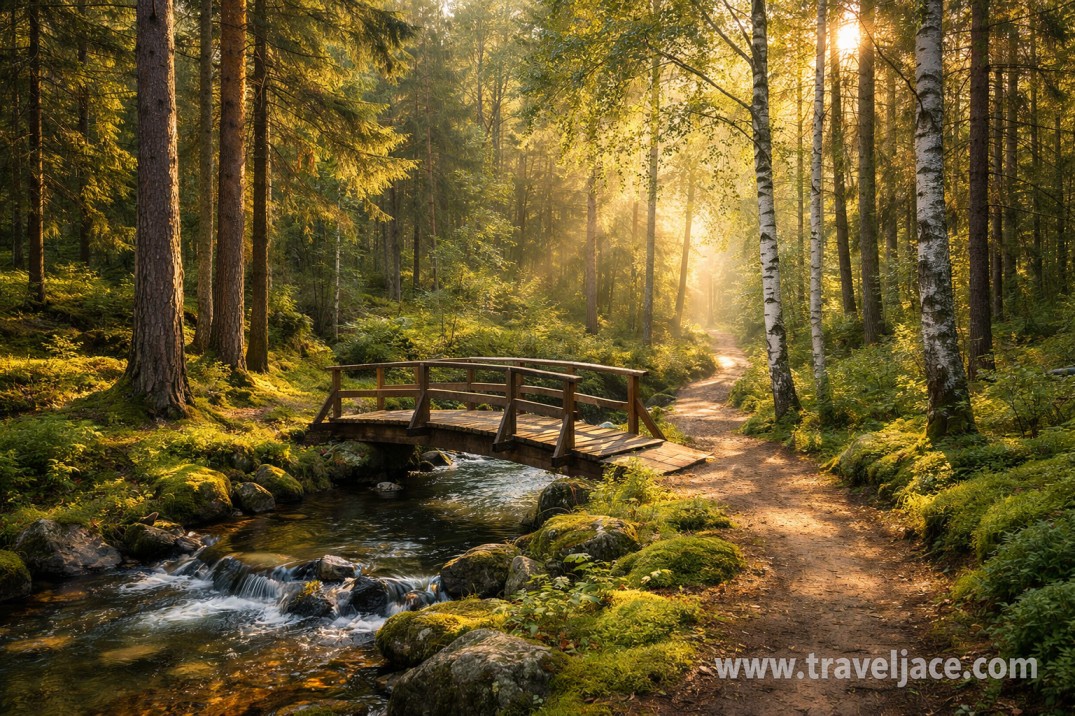
It also helps to understand that “easy” and “boring” are not the same thing. Scenic low-stress trails often deliver a different kind of reward than high-effort hikes. Instead of a dramatic summit reveal after a demanding climb, they offer steady visual pleasure along the entire route. That might mean a path through towering trees with filtered sunlight, a calm shoreline with mountain reflections, a cliff-edge boardwalk with open ocean views, a marsh trail alive with bird calls, or a river walk where every bend reveals something new. This steady stream of scenery is often more satisfying for travelers because it matches the pace of leisure travel better. You are not rushing toward a single moment. You are enjoying the full atmosphere of the place, which is often what people really want when they say they are looking for a scenic outdoor experience.
When evaluating a trail, distance alone is not enough. A two-mile path with loose rock, direct sun, and steep descents can feel significantly harder than a five-mile rail trail with even footing and tree cover. Surface, shade, noise levels, crowd flow, and route layout all influence whether a trail actually feels low stress. Boardwalks, packed dirt paths, paved promenades, crushed gravel routes, and wide forest tracks are often the easiest options for travelers who want comfort and confidence. Trails with narrow ledges, repeated root exposure, stream crossings, poorly marked junctions, or constant elevation change may still be scenic, but they usually move outside the low-stress category. Loop trails often work particularly well because they keep the scenery changing and avoid the mental drag that can come with retracing the same section. Out-and-back walks can still be excellent, especially when they lead to a waterfall, lake, or viewpoint, but they benefit from a clear turnaround point and realistic expectations.
There is also real value in choosing trails that support lingering. A scenic trail becomes much more rewarding when it allows you to pause comfortably. Benches, wide lookouts, picnic spots, photography pull-offs, and quiet shoreline edges turn a walk into an experience rather than just a route. If you enjoy birdwatching, sketching, reading outdoors, or simply sitting with a coffee after an easy walk, these kinds of trails are ideal. They are often more flexible than destination hikers expect, and that flexibility is one of the biggest reasons they translate so well into travel itineraries. They leave space for spontaneity, which is something high-pressure itineraries often lose.
Best Nature Trails for Scenic, Low-Stress Adventures
Best Types of Nature Trails for Scenic, Relaxing Adventures
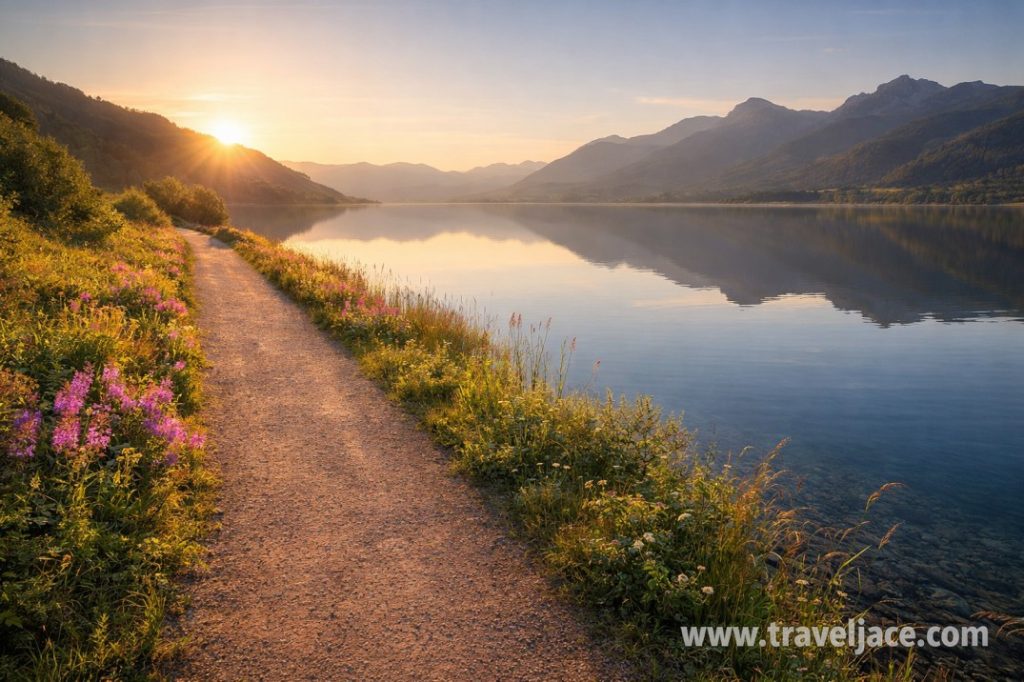
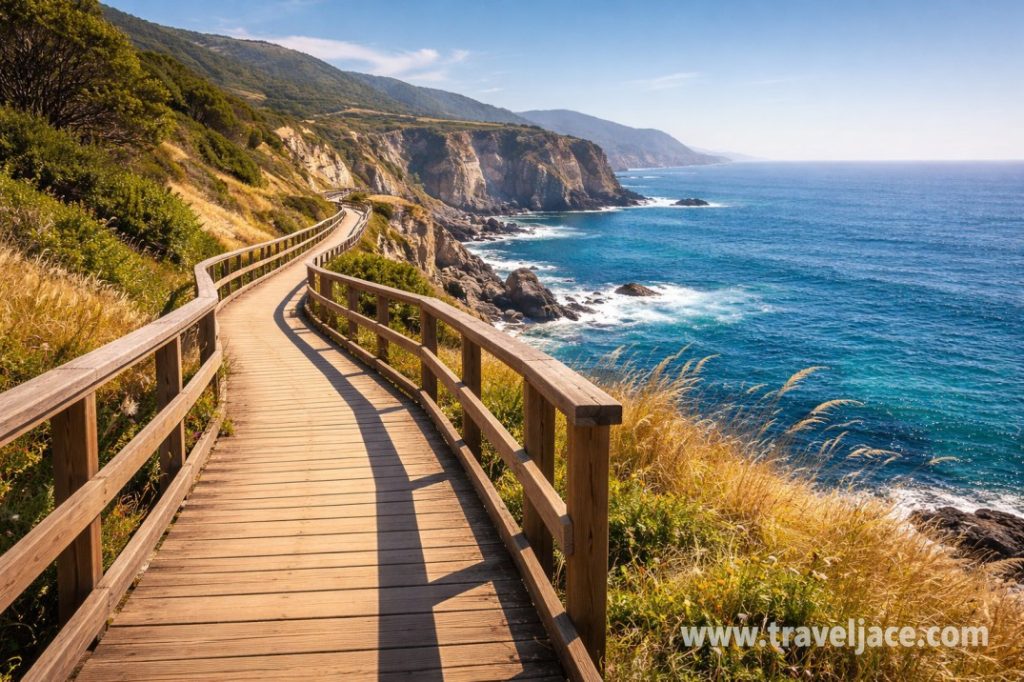
Some trail categories are consistently better than others for travelers looking for easy scenery and minimal stress. Lakeside walking trails are among the best because water naturally creates openness, reflection, and visual calm. Even a short lakeside route can feel restorative when it combines gentle terrain with mountain views, reeds, docks, or woodland edges. Coastal boardwalks and cliffside promenades are another excellent option because they usually offer strong scenery with relatively low effort, especially in destinations where paths are maintained for broad visitor access. Forest loop trails work well for travelers who want shade, cooler temperatures, and a more enclosed, peaceful atmosphere. These are especially appealing in warm-weather destinations or during shoulder seasons when soft light and quiet paths make simple woodland walks feel deeply relaxing.
Rail trails are also worth special attention. Because they often follow former railway corridors, they are usually built with gentler gradients and predictable surfaces, which makes them a strong choice for beginners, families, and travelers who prefer straightforward walking. River walks and wetland trails can be equally rewarding, particularly for birdlife, seasonal color, and open-sky scenery. In national parks, some of the best low-stress experiences are found not on backcountry routes but on accessible viewpoint paths, valley-floor trails, and short interpretive loops near visitor centers. These areas are often designed to help visitors experience the best features of the landscape without high risk or technical demands. In practical terms, the best trail type is the one that matches your energy, your pace, and the kind of scenery you actually enjoy being around for an hour or two.
Where to Stay for Easy Access to Scenic Nature Trails
If you are building a trip around scenic, low-stress adventures, your accommodation strategy should support ease rather than just chasing a dramatic location. In many cases, the smartest place to stay is a well-connected town near a cluster of gentle trails rather than the most remote property closest to a single headline attraction. Gateway towns near national parks, lakeside villages, coastal resort areas, and countryside hubs often give you the best combination of trail access and travel comfort. You can reach several walks without long drives, find food and basic supplies without effort, and adapt the day if weather changes or your energy level shifts. That flexibility matters. A trip built around easy outdoor experiences should still feel easy when you are getting breakfast, finding parking, or deciding what to do after the walk.
Different lodging styles suit different travelers, but the same principle applies across all of them: reduce friction. Couples may enjoy quiet boutique hotels or inns with views, good coffee, and an easy route to nearby scenic walks. Families often do better in apartment-style stays or practical hotels with extra space for snacks, layers, and early starts. Solo travelers may prefer central lodging close to transport, trail information, and safe evening dining. In scenic regions where demand spikes during peak months, staying slightly outside the busiest core area can offer better rates and a calmer experience without sacrificing access, especially if the trail network is spread across several nearby locations. The best stay is not always the most luxurious one. It is the one that makes the whole trip feel smooth from morning to evening.
When comparing areas, look beyond photos and focus on route density and convenience. A town with three or four easy scenic trails within a short drive is often a stronger base than one famous viewpoint with expensive accommodation and constant crowds. It also helps to check whether your base offers more than nature alone. One of the pleasures of low-stress trail travel is being able to pair a morning walk with a waterfront lunch, a quiet museum, a local market, a hot spring, or simply a restful afternoon. Staying somewhere that supports that rhythm usually creates a better trip than staying somewhere that looks spectacular online but complicates everything once you arrive.
Budgeting, Costs, and Value Tips for Scenic Low-Stress Nature Trips
One of the best things about this style of travel is its value. Scenic, low-stress nature adventures often provide a very strong return on time and money because they do not depend on expensive adrenaline activities, complex gear, or high-cost guided logistics. In many destinations, the core expenses are straightforward: transportation, accommodation, food, park or reserve fees where applicable, and minor practical costs such as parking, shuttle fares, or weather layers. Compared with activity-heavy itineraries that require tours every day, this kind of trip gives you more control over your spending. It also lets you shift your budget toward the parts of travel that may matter more for comfort, such as staying closer to the trail area, adding an extra night, renting a car for flexibility, or choosing a room with a peaceful setting.
That said, the real savings come from planning intelligently rather than assuming easy trails require no preparation. Booking accommodation just outside the busiest park gateway or coastal center can reduce nightly costs while still keeping you near the scenery. Traveling in spring or autumn often improves value because you may get lower accommodation prices, easier parking, and a better overall experience at the same time. Packing snacks, carrying a refillable water bottle, and combining two nearby short walks in one day can also stretch your budget without making the itinerary feel crowded. If the destination uses timed-entry reservations, shuttle systems, or seasonal transport limits, securing the right logistics early can prevent expensive last-minute adjustments and help you avoid the stress of missing the best part of the day.
It is also worth spending modestly in the right places. Good walking shoes, a light waterproof layer, sunscreen, a hat, and a compact day bag are not luxury items on nature trips. They are comfort multipliers. The label “easy trail” often causes travelers to underprepare, which then undermines the very low-stress experience they were aiming for. Small discomforts such as poor footwear, sun exposure, or not carrying enough water can make even a short scenic outing feel far more tiring. Value on these trips comes from reducing friction and increasing comfort, not simply minimizing spending on every line item.
How to Get There and Plan a Low-Stress Nature Trail Trip
The easiest way to plan a successful nature-focused trip is to start with the type of experience you want, then choose a destination that naturally supports it. Instead of picking a famous place first and trying to force a low-stress itinerary out of it, look for regions known for gentle scenic walking, accessible viewpoints, waterfront paths, forest loops, or clustered easy trails. Good examples of this kind of travel setup include lake districts, coastal regions with maintained walking paths, national parks with strong visitor infrastructure, countryside destinations with converted rail trails, and protected reserves with short loop routes. Once you have the right destination style, the rest of the planning becomes simpler because the infrastructure is already aligned with your goals.
Transportation should reinforce the relaxed tone of the trip. In some destinations, the best option is a rental car because it allows you to move between easy trailheads, scenic viewpoints, and small towns without depending on rigid schedules. In others, public transport may be better, especially where regional trains, park shuttles, lake ferries, or town bus networks connect directly to walking areas. The best choice is the one that reduces decision fatigue and helps you move around with confidence. If driving narrow mountain roads or finding parking at crowded park entrances is likely to stress you, a destination with shuttle systems or a walkable base may suit you better. If the easy trails are spread across a larger region, a car may save time and widen your options.
When shaping each day, avoid the common mistake of adding too much simply because the walks are easy. A low-stress trip loses its appeal when it turns into a sequence of rushed scenic stops. In most cases, one main trail or scenic walk in the morning, followed by a flexible afternoon, is the best structure. That afternoon can hold a second short trail, a scenic drive, lunch in a nearby town, a lakeside break, or nothing at all. Rest time is not wasted time on this kind of trip. It is part of what keeps the travel experience soft, calm, and enjoyable. The goal is not to check off as many viewpoints as possible. The goal is to create days that feel balanced from beginning to end.
Best Nature Trails for Scenic, Low-Stress Adventures
Practical Travel Tips for the Best Nature Trails for Scenic, Low-Stress Adventures
Check the basics before you go, even if the route is labeled easy. Weather, wind, trail condition, surface type, shade, opening hours, daylight, and parking rules all affect how relaxed the experience will feel. A scenic walk becomes stressful when you arrive at the hottest hour, discover the trail has little shade, or realize the last shuttle back leaves earlier than expected. Good planning for easy trails is not about overthinking; it is about removing the handful of simple problems that cause the most avoidable frustration. Keeping screenshots of maps, downloading offline directions, and knowing the estimated walking time can make the day run much more smoothly, especially in rural or protected areas with inconsistent mobile signal.
Dress for the surface, not just the distance. Many travelers assume that a short walk means casual footwear is always enough, but slippery boardwalks, wet dirt, gravel descents, or tree-root sections can still be awkward in the wrong shoes. Carry water, even for short routes, and bring a light extra layer if you are walking near the coast, around lakes, or in higher elevations where conditions change quickly. If you are traveling with children, the most important supplies are often the least glamorous ones: snacks, wipes, sun protection, extra water, and a realistic understanding of how long they actually enjoy walking. If you are traveling as a couple or solo, one of the smartest moves is to start early enough that you never feel rushed. Time pressure is one of the fastest ways to turn an easy trail into a tiring outing.
Finally, let judgment shape the experience. Turnaround decisions are part of good travel, not proof that a plan failed. If the trail is busier, hotter, muddier, or more exposed than expected, enjoy the best section and head back while the day still feels good. Scenic, low-stress nature travel works because it prioritizes enjoyment over ego. The more honestly you match the trail to your energy, weather, and mood, the better the experience tends to be. Nature does not become more meaningful just because the route was harder. Often, it becomes more meaningful because you were comfortable enough to truly notice it.
FAQ
What are the best nature trails for scenic, low-stress adventures?
The best nature trails for scenic, low-stress adventures are usually well-marked routes with gentle elevation, predictable surfaces, easy access, and scenery that appears throughout the walk rather than only at the end. Lakeside paths, boardwalks, forest loops, river trails, rail trails, and accessible national park walks are often the best fit.
Are scenic easy trails good for beginners?
Yes. Easy scenic trails are one of the best entry points into outdoor travel because they build confidence without overwhelming new hikers. They also make it easier to enjoy the landscape, pace yourself, and learn what kinds of routes suit you best.
How long should a low-stress nature trail be?
For many travelers, one to three hours is the ideal range. That is long enough to feel immersive and worthwhile, but still manageable enough to keep the day relaxed and flexible.
Is a loop trail better than an out-and-back trail?
Loop trails often feel more engaging because the scenery changes as you go and the route feels complete. Out-and-back trails can still be excellent, especially when they lead to a strong viewpoint or waterfall, but they are usually best when you know your turnaround point in advance.
What should I pack for an easy scenic trail?
Bring water, comfortable shoes with grip, weather-appropriate layers, sun protection, a map or phone, and light snacks. Most easy trails do not require specialized gear, but basic comfort items make a noticeable difference.
Can I build an entire vacation around easy nature trails?
Absolutely. Many of the most enjoyable outdoor trips are built around gentle scenic walks, beautiful drives, small towns, good food, and relaxed accommodation rather than difficult adventure activities.
Conclusion
The best nature trails for scenic, low-stress adventures offer something many travelers want more of: beauty without burnout. They make it possible to spend meaningful time outdoors without turning the day into a complicated project or a physical test. Whether you are walking beside a lake, following a forest loop, exploring a coastal boardwalk, or choosing an accessible trail in a national park, the most rewarding routes are often the ones that leave room for comfort, curiosity, and calm. When you choose manageable trails with strong scenery, good access, and realistic timing, you create the kind of travel experience that feels restorative instead of rushed. And in a time when many trips can feel overpacked and overplanned, that is not a compromise. It is often the smartest way to enjoy nature well.