National parks are often associated with rugged adventures, steep climbs, and long backcountry treks, but that is only part of the story. Many of the most famous parks in the United States are also incredibly beginner-friendly, offering well-maintained trails that allow travelers to experience iconic landscapes without advanced hiking skills. For first-time hikers, casual travelers, or anyone looking for a low-stress outdoor experience, beginner hiking trails provide the perfect introduction to national parks.
These trails are designed to be accessible, scenic, and rewarding without requiring intense physical effort or specialized gear. You can walk through towering forests, along crystal-clear lakes, across desert viewpoints, or beneath dramatic mountain peaks, all at a comfortable pace. For many travelers, these easier hikes become the highlight of a trip because they combine natural beauty with simplicity.
This guide explores the best national park hiking trails for beginners, what makes a trail beginner-friendly, when to go, and how to plan a safe and enjoyable hiking experience even if you have little or no hiking background.
Why Beginner Hiking Trails Are Worth Considering
Beginner hiking trails offer one of the most accessible ways to experience national parks. Not every traveler wants to spend hours climbing steep terrain or navigating difficult routes. Easy trails allow you to enjoy the same landscapes, mountains, waterfalls, lakes, canyons, and wildlife, without turning the experience into a physical challenge.
These trails are also ideal for building confidence. For travelers who are new to hiking, starting with manageable distances and gentle elevation helps create a positive first experience. Instead of worrying about endurance or safety, you can focus on enjoying the scenery and learning how to move comfortably in a natural environment.
Another advantage is flexibility. Many beginner trails can be completed in under two hours, making them easy to fit into a broader travel itinerary. You can combine them with scenic drives, visitor centers, photography stops, or other activities without feeling rushed or exhausted.
Best National Park Hiking Trails for Beginners
Quick Answer: What Is a Beginner Hiking Trail?
A beginner hiking trail is typically a short, well-marked path with minimal elevation gain, stable footing, and clear navigation. Most beginner trails range from 0.5 to 3 miles and are designed to be safe and enjoyable for people with little hiking experience. They often include features such as viewpoints, lakes, waterfalls, or scenic loops that provide strong visual rewards without requiring strenuous effort.
Best Time to Visit National Parks for Beginner Hiking
Timing plays a major role in how enjoyable a beginner hike feels. In general, spring and fall are the best seasons for most national parks because temperatures are moderate, crowds are more manageable, and trail conditions are often more comfortable.
Spring brings flowing waterfalls, blooming wildflowers, and fresh greenery, especially in parks like Yosemite and Great Smoky Mountains. However, some higher elevation trails may still have snow early in the season, so it is important to check conditions before visiting.
Fall is excellent for cooler temperatures and scenic color changes, particularly in forested parks. It is also a great time for travelers who want quieter trails compared to peak summer months.
Summer can still be a good option, especially in parks with higher elevations or cooler climates, but heat can make even easy trails feel more difficult in desert parks like Grand Canyon or Zion. Early morning and late afternoon hikes are usually the most comfortable during this season.
What to Expect on Beginner Hiking Trails
For SEO and planning clarity, it is helpful to think of beginner trails as “high reward, low effort” routes. These are typically designed to showcase the most visually appealing parts of a park without requiring long distances or technical navigation. Many parks intentionally build these trails near visitor centers or main access points, making them easy to reach without complicated logistics.
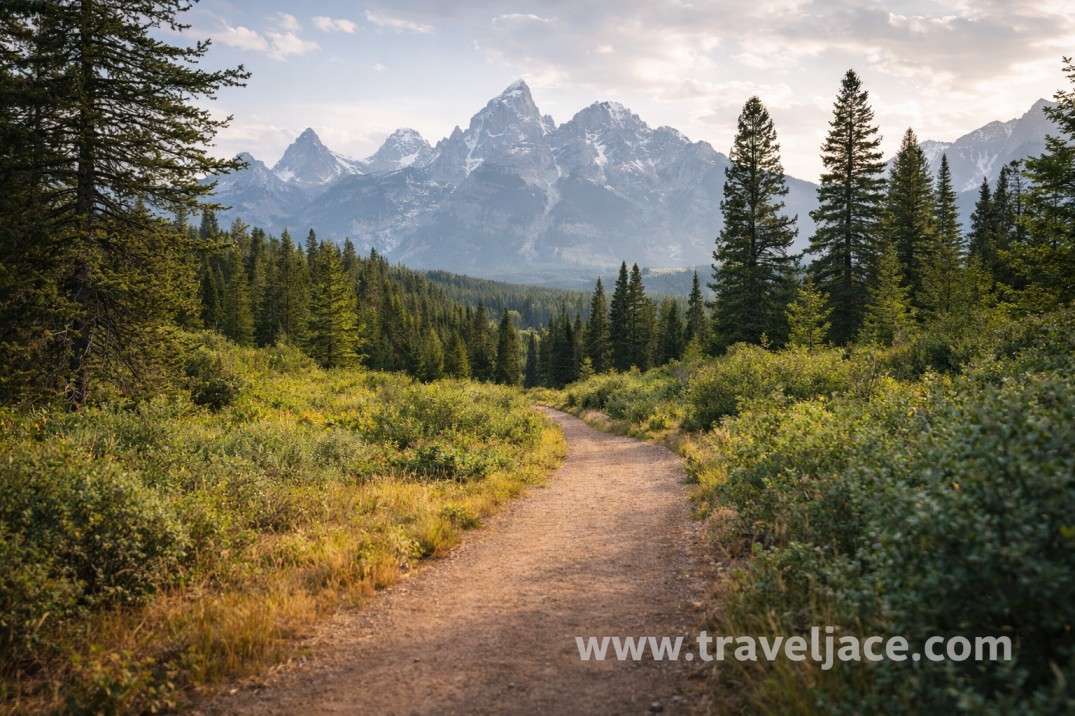
Beginner trails are designed to be straightforward and enjoyable. Most have clear signage, well-defined paths, and minimal technical challenges. Surfaces may include compact dirt, gravel, or even paved sections in some areas.
Elevation gain is usually gradual, if present at all, and trails often include resting spots such as benches, viewpoints, or shaded areas. These features make it easier for hikers to take breaks and enjoy the surroundings without feeling pressured to keep moving.
You can also expect these trails to highlight key park features. Many beginner hikes are built around scenic highlights such as waterfalls, canyon overlooks, alpine lakes, or wildlife viewing areas. This ensures that even short hikes feel rewarding.
Best National Park Hiking Trails for Beginners
Best National Park Hiking Trails for Beginners
To make this guide more practical and useful for planning, here are some of the most beginner-friendly trails across major U.S. national parks, including what makes each one ideal for first-time hikers and what you can expect on the trail.
Mirror Lake Trail is one of the most accessible and scenic beginner hikes in Yosemite. The path is relatively flat and leads to a beautiful reflective lake surrounded by towering granite cliffs. The trail offers iconic Yosemite views without the physical demands of more challenging hikes.
While the full loop is longer, beginners can enjoy shorter sections of this trail to experience waterfalls up close. The paths are well-maintained, and the scenery is consistently rewarding, making it a great introduction to forest hiking.
Bear Lake Loop is a short, flat trail that circles a stunning alpine lake. It is one of the most beginner-friendly hikes in the park and offers incredible mountain views with minimal effort.
This easy loop trail leads to the base of Yosemite Falls, one of the tallest waterfalls in North America. It is paved, short, and highly accessible, making it ideal for beginners and families.
Certain sections of the Rim Trail are flat and paved, offering breathtaking canyon views without steep descents. This is one of the best ways for beginners to experience the Grand Canyon safely.
The lower section of Emerald Pools Trail is relatively easy and leads to a scenic waterfall and shaded area. It is a great option for beginners who want a rewarding but manageable hike.
This paved trail leads to a beautiful waterfall and is one of the most popular beginner hikes in the park. It offers a good balance of accessibility and scenic reward.
This trail is one of the most rewarding beginner-friendly hikes in Glacier. While it includes a gentle incline, the path is well-maintained and partially boardwalked, making it manageable for most travelers. The overlook provides sweeping views of alpine scenery, and wildlife sightings such as mountain goats are common.
Sunset Point is not a long hike, but it delivers one of the most iconic views in Bryce Canyon. The short, accessible path leads to panoramic views of the park’s famous hoodoos. It is perfect for beginners who want dramatic scenery without effort.
This short trail leads to one of Yellowstone’s most famous geothermal features. The path includes a slight uphill section but remains manageable for beginners. The reward is a breathtaking aerial view of the colorful spring.
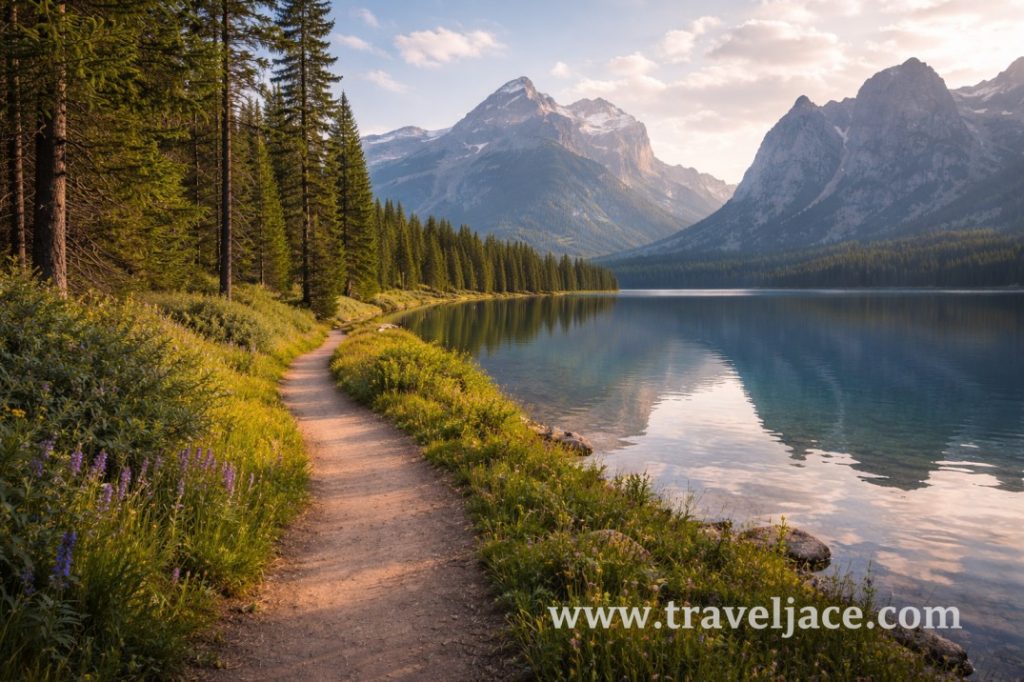
This scenic trail loops around a peaceful lake with mountain views in the distance. The terrain is mostly flat and ideal for beginners, though some sections may include uneven stones. It is one of the most relaxing and visually rewarding walks in Acadia.
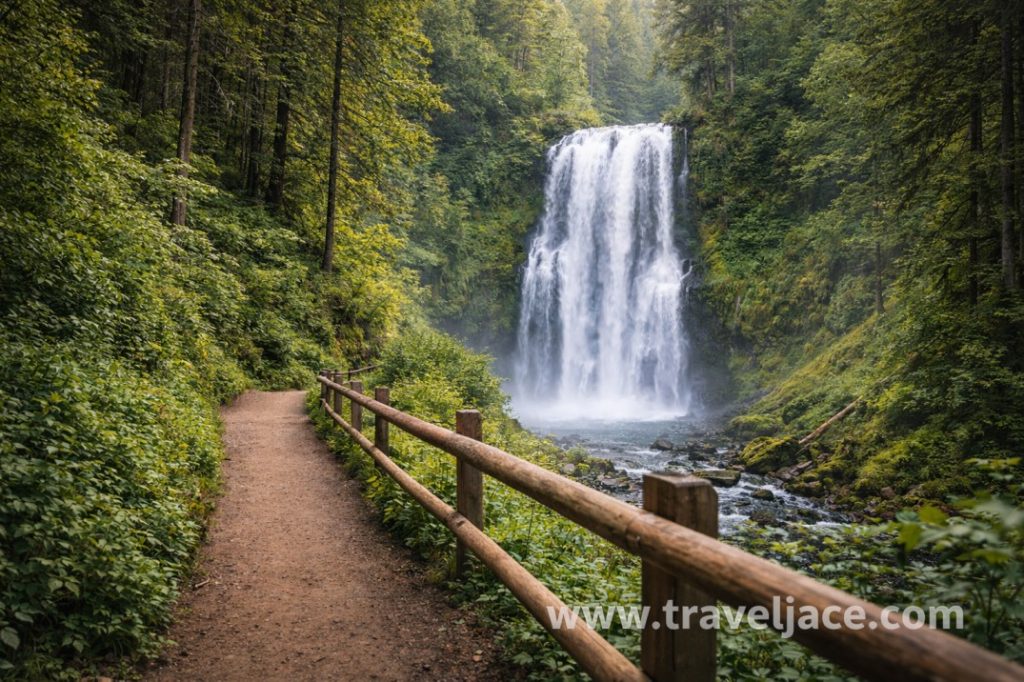
A short and family-friendly hike, this trail leads to a beautiful waterfall through lush forest scenery. The path is well-marked and easy to follow, making it a great introduction to Pacific Northwest hiking.
This short trail offers dramatic desert canyon views with minimal effort. A few steps are involved at the start, but the route quickly levels out, making it accessible for most beginners while still delivering impressive scenery.
Staying close to major park entrances or visitor centers is usually the best option for beginners. This reduces travel time, allows for early starts, and makes it easier to access popular trails before crowds build.
Many national parks offer a range of accommodations, including lodges, nearby hotels, and campgrounds. For beginners, staying somewhere comfortable with easy access to amenities can make the overall experience more enjoyable.
Best National Park Hiking Trails for Beginners
Budgeting, Costs, and Value Tips
For travelers planning multiple national park visits, the America the Beautiful annual pass can be one of the best value decisions. It provides access to all U.S. national parks and federal recreation lands for a single annual fee, which can quickly pay for itself if you visit several parks in one trip.
Most beginner hikes require no additional cost beyond park entry, which makes them one of the most budget-friendly outdoor experiences available. Unlike guided tours or adventure excursions, you can enjoy world-class scenery with minimal spending.
Arriving early can help you avoid crowds and parking challenges, which improves the overall experience without additional cost. In high-demand parks, this can be just as valuable as saving money.
How to Plan a Beginner Hiking Trip
Start by identifying 2 to 3 beginner-friendly trails within the same park or region rather than trying to cover too many locations. This allows you to move at a relaxed pace and adjust based on energy levels, weather, and crowd conditions.
Use park maps, official websites, and recent visitor updates to confirm trail accessibility. Some beginner trails may still close temporarily due to weather, maintenance, or wildlife activity.
Arrive early when possible. Morning visits often provide better parking availability, cooler temperatures, and a quieter experience, especially in Yosemite, Zion, and Yellowstone.
Plan breaks into your day. Beginner hiking is not about speed, it is about enjoying the environment. Build time for photos, rest stops, and simply taking in the scenery.
Pack basics: water, comfortable shoes, light layers, and sun protection. Keep your plan simple and leave room for flexibility.
Practical Travel Tips
Start with shorter trails and build confidence gradually.
Always check trail conditions and weather before hiking.
Carry water and wear comfortable shoes.
Stick to marked trails to avoid getting lost.
Take your time and enjoy the scenery rather than rushing.
FAQ
Are national parks good for beginner hikers?
Yes. Many national parks offer easy, well-maintained trails that are perfect for beginners.
What should beginners bring for a hike?
Basic essentials include water, comfortable shoes, weather-appropriate clothing, and a small bag for personal items.
How long should a beginner hike be?
Most beginner hikes range from 30 minutes to two hours depending on distance and pace.
Are beginner trails safe?
Generally yes, as long as you follow marked paths, check conditions, and take basic precautions.
Conclusion
Beginner hiking trails in national parks make it possible for anyone to experience some of the most beautiful landscapes in the world without advanced skills or strenuous effort. They provide a perfect balance between accessibility and adventure, allowing travelers to enjoy nature in a relaxed and rewarding way.
With the right planning and a focus on easy, well-marked trails, even first-time hikers can have a memorable and enjoyable national park experience.