
If you are planning a ski trip to Colorado, learning how to read a Colorado ski report before booking is one of the smartest things you can do. A ski report is not just a weather update or a snowfall headline. It is a current snapshot of how the mountain is skiing, how it is operating, and what kind of experience you are actually paying for. Many travelers make the mistake of focusing on one number, such as total snowfall or base depth, but those figures alone rarely tell the full story. In reality, ski reports bring together snowfall timing, terrain access, lift operations, grooming patterns, and weather behavior into one layered picture that needs interpretation instead of a quick glance. When you know how to read it properly, you stop guessing and start booking based on real conditions.
Colorado makes this even more important because of its elevation, terrain diversity, and local weather differences. Two resorts can report similar snowfall totals while offering very different skiing experiences because of wind exposure, sun angles, or how terrain is opened and maintained. A strong understanding of ski reports helps you separate marketing from reality. It helps you avoid booking right after the best conditions have passed, arriving during poor visibility or wind closures, or choosing a resort that looks strong on paper but is not fully open yet. Instead, you begin to read the mountain like an experienced traveler, by understanding patterns, timing, and how all the variables work together.
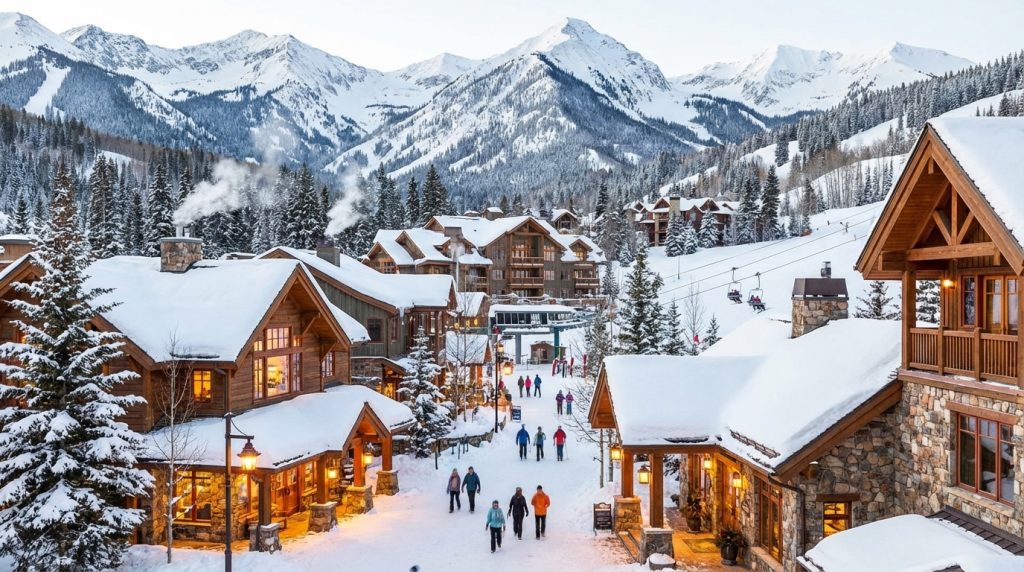
Why Understanding a Colorado Ski Report Before Booking Matters for Your Trip
The biggest reason to understand ski reports is that conditions in Colorado change constantly. Snow does not behave the same way from one day to the next. A fresh storm can turn the mountain soft and forgiving, but within two days, sun exposure, skier traffic, and temperature changes can reshape that snow into packed, icy, or mixed conditions. Wind can move snow around, strip exposed ridges, and close lifts even after a strong storm. Without context, a report that says six inches overnight can be misleading if that snow was followed by wind or warmer temperatures. Understanding the report helps you interpret not only what happened, but what that means for the skiing you are likely to get.
It also affects how closely your trip matches your expectations. If you are a beginner or traveling with family, you are not just looking for snow. You are looking for accessible terrain, reliable lifts, and steady grooming. If you are an intermediate skier, you may want variety and well maintained runs. If you are chasing powder, timing and weather patterns matter more than almost anything else. A ski report helps you match your travel goals to current mountain conditions instead of relying on general reputation or old assumptions. That is what turns a decent ski trip into one that feels worth the money and effort.
Best Time to Check Colorado Ski Reports Before Booking a Ski Trip
The timing of when you check ski reports matters almost as much as how you read them. Checking months in advance can give you a broad sense of seasonal trends, but it does not give you enough useful detail to book with confidence. Conditions that far out are too unpredictable. The most useful booking window is usually two to four weeks before your travel dates. At that point, base depth, terrain openings, and snowfall consistency begin to settle enough to help guide a smart decision.
Still, one report is never enough. The real value comes from tracking conditions over time. Look at how snowfall builds over several days, how terrain percentages change, and whether conditions are improving or slipping. One storm can look exciting, but steady snowfall across a week, combined with stable temperatures, is a much stronger sign of quality skiing. In the same way, if you notice shrinking terrain percentages or rising temperatures, that can be a warning sign even when headline numbers still look strong.
In the final week before your trip, daily checking becomes essential. Weather can shift quickly in Colorado’s mountains, and late changes can affect lift operations, visibility, and snow quality. Staying updated allows you to adjust expectations, plan your first ski days more intelligently, and avoid showing up unprepared for what the mountain is actually like.
How to Read a Colorado Ski Report Key Metrics Explained Clearly
A good Colorado ski report usually includes several core metrics, and each one matters most when read with the others. Snowfall totals are the most visible numbers, but they only become useful when you break them down into recent periods such as the last twenty four hours, the last forty eight hours, and the last seven days. Fresh snow usually affects the ski experience much more than older snow that has already been packed down or transformed. Base depth helps you understand overall coverage and whether the mountain is filled in well or still showing thin patches, exposed rocks, or limited terrain.
Terrain open is often the most important metric when deciding whether to book. A resort with ninety percent of terrain open offers a very different experience from one at fifty percent, even if both report similar snowfall. Lift status adds another important layer because it shows whether you can actually reach the terrain that is open. A strong terrain number means less if key lifts are closed because of wind or operations. Grooming reports matter just as much, especially for travelers who care about comfort and consistency. A higher grooming percentage often points to a smoother and more beginner friendly mountain, while lower grooming may appeal more to advanced skiers who want more natural snow conditions.
Weather and wind data complete the picture. Wind is one of the most overlooked factors in ski reports. It can close lifts, reduce visibility, and make the day much less enjoyable even after fresh snow. Temperature trends matter too. Consistently cold weather helps preserve snow quality, while warming patterns can produce soft, heavy, or slushy snow, especially later in the day. When you combine snowfall timing, base depth, terrain open, lift status, grooming, and weather, you begin to see the real state of the mountain rather than a simplified version of it.
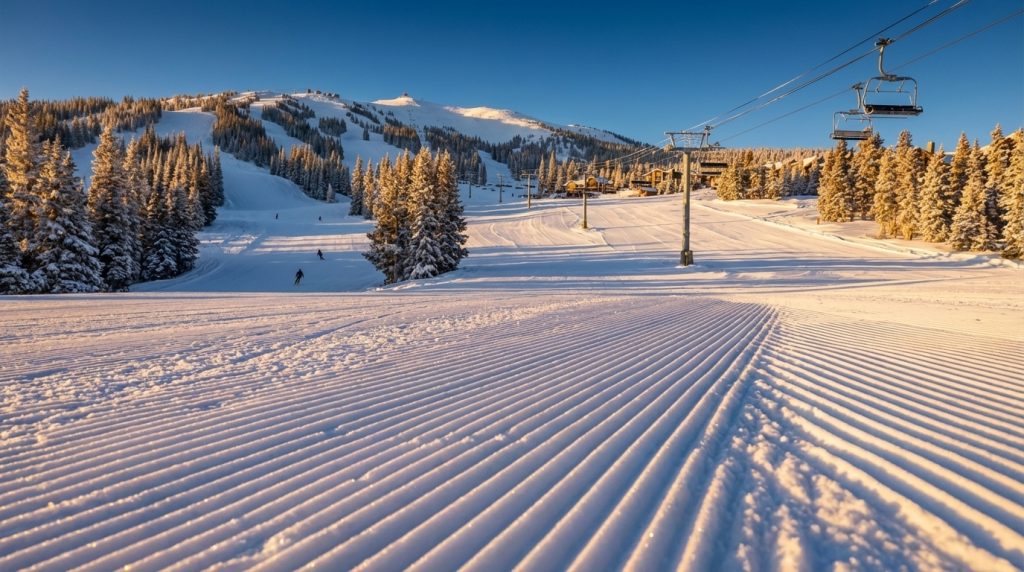
Where to Stay Based on Colorado Ski Conditions and Reports
Your accommodation choice should reflect what the ski report is telling you about the mountain. Early in the season, when terrain is still limited, staying close to the main base area or primary lifts becomes more valuable because it gives you the easiest access to the runs that are actually open. In stronger conditions, when most of the mountain is available, you have more flexibility. You can stay a little farther away, choose better value lodging, or focus on quieter areas without giving up too much convenience.
Properties with direct slope access become most valuable during strong conditions, especially after fresh snowfall when getting out early can make a real difference. During weaker conditions, however, proximity may matter less than comfort and convenience overall. Access to transportation, dining, and alternative activities can play a bigger role in keeping the trip enjoyable. The smartest move is to match your lodging choice to the current mountain profile rather than assuming one style of stay is always best.
Budgeting Costs and Value Tips Using Colorado Ski Reports
Ski reports are not only useful for checking conditions. They also help you manage your budget. Strong conditions tend to increase demand, which pushes up lift ticket prices, hotel rates, and rental costs. Booking during or right after a major storm cycle can be worth it if the mountain is skiing exceptionally well, but it also requires faster decision making. On the other hand, moderate conditions with lower demand can offer excellent value for travelers who care more about a relaxed trip than peak powder conditions.
Following ski reports can help you avoid paying too much for disappointing conditions. If snowfall is inconsistent, terrain is limited, or weather patterns look unstable, delaying your trip or choosing another resort can save money and improve the overall experience. On the other side, if you catch a storm cycle building early, you may be able to book before prices rise further. In that way, ski reports become part of your financial planning and not just a weather tool.
How to Plan Travel Logistics Around Colorado Ski Conditions
Travel planning should always reflect the same weather systems that shape the skiing. Storms that improve mountain conditions can also disrupt flights, delay transfers, and make road access more difficult. Building a bit of flexibility into your schedule, such as arriving earlier in the day or avoiding very late mountain drives, can reduce stress and help the trip run more smoothly.
It is also smart to plan for some variability. Even during strong conditions, not every day will be perfect. Having backup options such as walking in snowshoes, scenic gondola rides, good dining, or spa time can keep the trip enjoyable regardless of what happens on a given day. A good ski trip is not only about getting the most slope time possible. It is also about creating a balanced experience that can adapt to real mountain conditions.
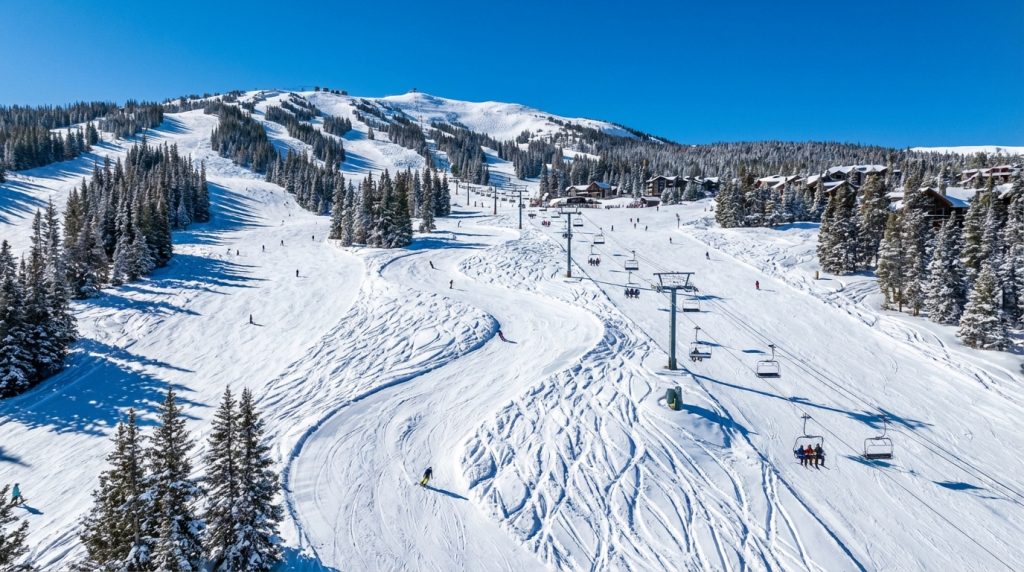
Practical Tips for Using Colorado Ski Reports Like an Expert
To use ski reports well, always check the numbers against live webcams and recent images. Numbers by themselves can be misleading, but visual confirmation gives you context and helps you interpret the conditions more accurately. Pay attention to report timestamps too, because mountain conditions can shift quickly, especially after storms or warm periods.
Do not rely too heavily on subjective language. Terms like excellent or great are often used loosely and may not match your own standards. Instead, focus on measurable data and ask how it fits your skiing style. A beginner and an advanced skier can look at the same report and come away with completely different conclusions. Knowing your own priorities matters just as much as knowing what the report says.
Finally, remember that ski reports reduce uncertainty, but they do not remove it completely. Weather, snow quality, and mountain operations keep changing. The goal is not to predict perfection. The goal is to make informed choices that give you the best possible chance of a strong trip.
FAQ
What is the most important part of a Colorado ski report?
Terrain open combined with recent snowfall gives the clearest picture of actual skiing conditions.
How often should I check ski reports before booking?
Monitor reports regularly within two to four weeks before your trip and check daily during the final week.
Can ski reports predict future skiing conditions?
They cannot predict exact conditions, but trends combined with weather forecasts can provide strong guidance.
Do all Colorado ski resorts report conditions the same way?
Most follow a similar format, but the level of detail and wording can vary a little from one resort to another.
Is more snow always better for skiing?
No. Snow quality, weather, grooming, and wind all affect how enjoyable the skiing will be.
Conclusion
Understanding how to read a Colorado ski report before booking changes the way you plan a ski trip. It helps you move beyond simple headline numbers and understand the mountain as a changing system shaped by weather, terrain, and operations. By reading reports with context and focusing on trends, terrain access, and real conditions, you can make smarter decisions about when to travel, where to stay, and what to expect. In a destination where conditions can shift quickly, that knowledge gives you a real advantage and helps you book with much more confidence.